Creating Social Impact with the Fairwork Ratings


The Fairwork Observatory
The Fairwork Observatory serves as a complementary organisation for our efforts to shed light on, and influence, labour practices around the world. The focus of the Observatory is not limited to specific regions, industries or countries we are already operating in. Instead, it organises thematic campaigns or specific programs of advocacy and ratings with the sole purpose of creating maximum impact and making our ratings more relevant for different stakeholders.
This could mean focusing on sectors or regions where, for example, promising cooperatives, “best-practice" platforms or powerful worker groups are being established that we could support with additional ratings. Or it could mean focusing on regions or sectors where promising policy debates are emerging that we can intervene in with bespoke scores. It could also mean going beyond national reporting by comparing platform scores on a regional level in order to highlight successful political regulation.
Over the past year the Observatory has worked on four campaigns:ementation of the Couriers Pledge through the repeated assessment of Glovo in all countries where they operate to evaluate whether and how the implementation of the Couriers Pledge improves working conditions.
Over the past year the Observatory has worked on four campaigns:
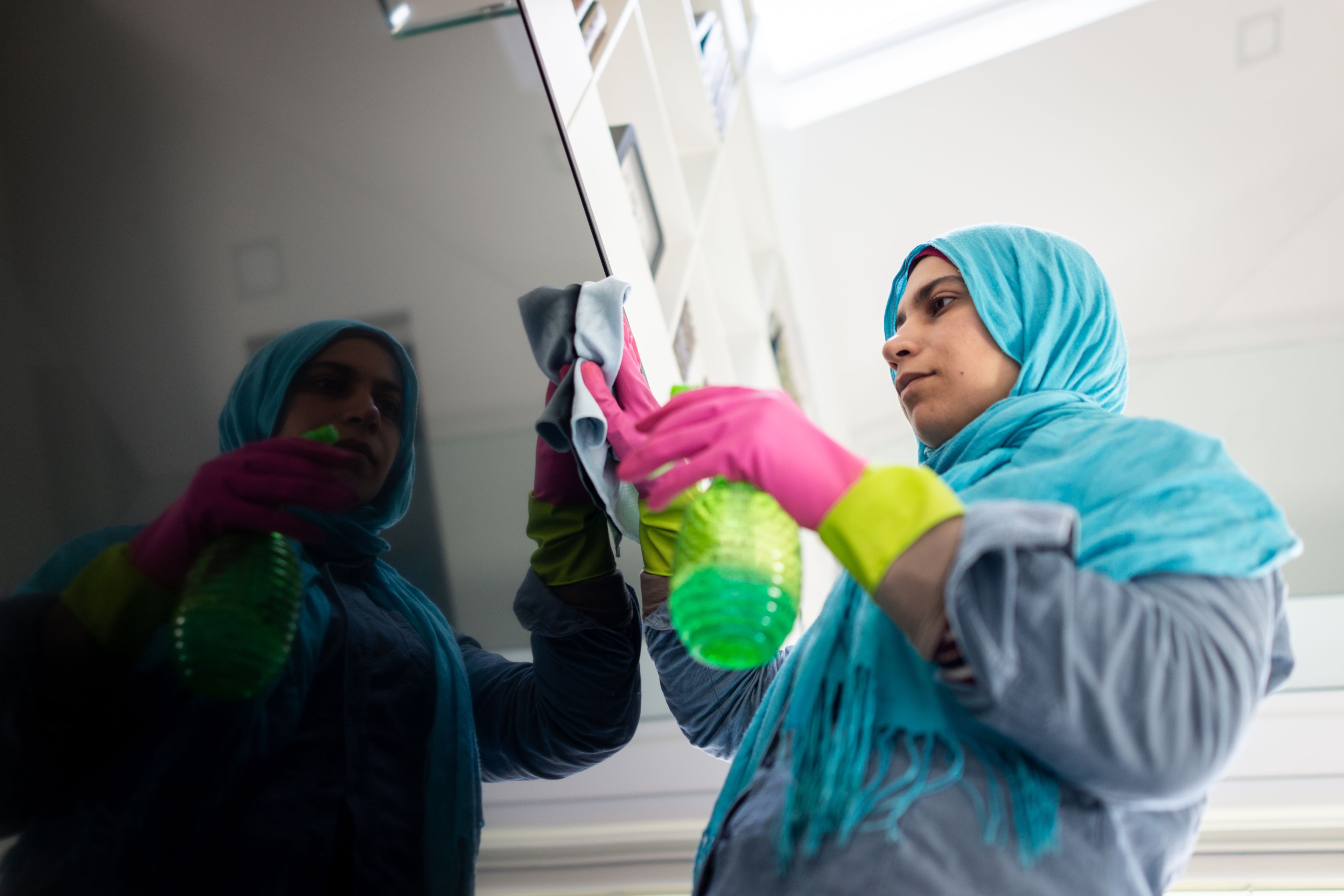
Rating domestic work in the MENA region
The goal was to analyse whether domestic work platforms can serve as an alternative to the often-deplorable conditions of work in these sectors.
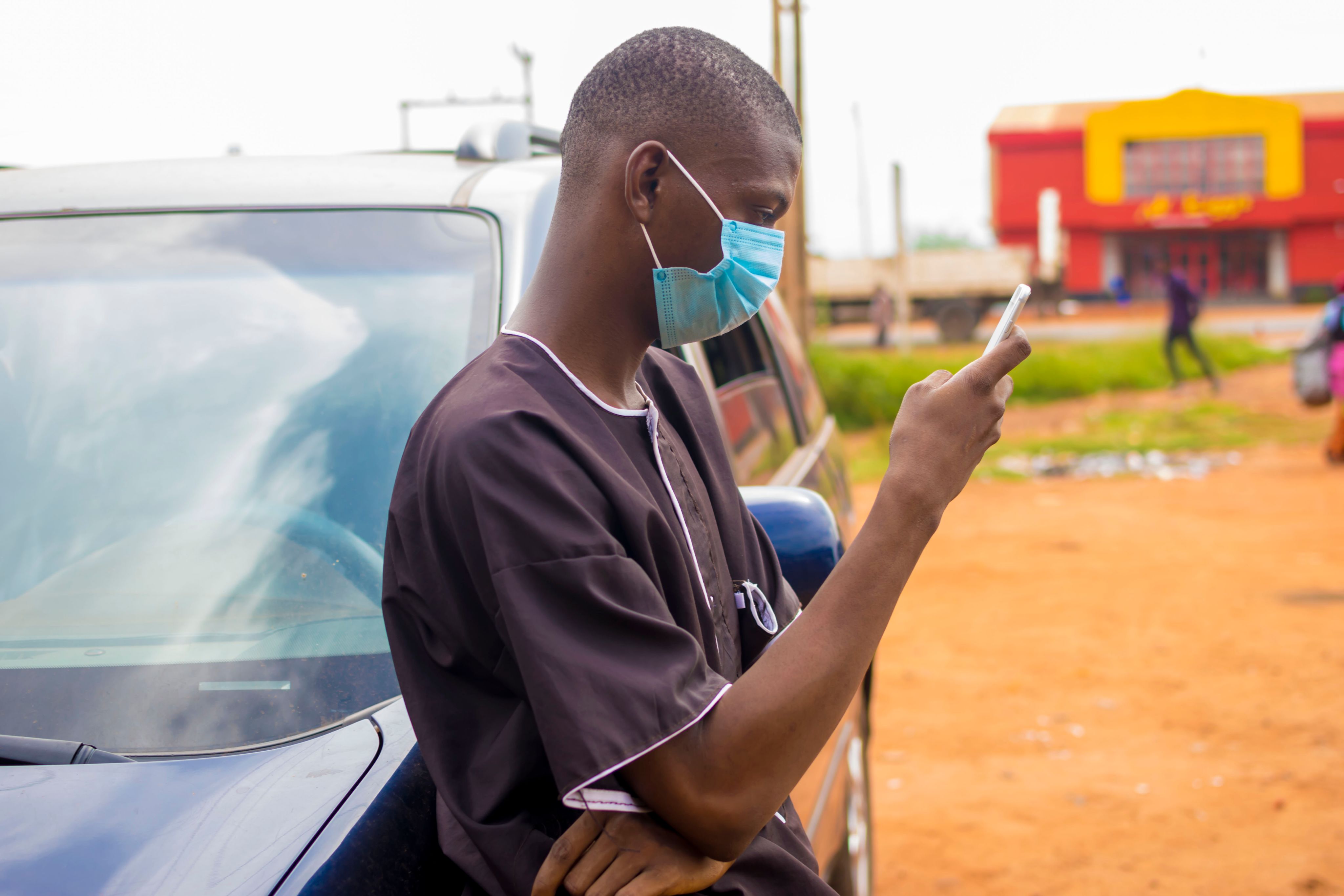
Rating ride-hailing sector in Nigeria
Targeting one of the most vibrant labour markets in Africa, the campaign highlighted working conditions on some of the most relevant ride-hailing platforms, in the hope of supporting local unions in organizing platform workers in Lagos.
Rating translation and transcription platforms
These platforms are very relevant for a wide range of organisations, including academic and research institutions, and provide important income opportunities for skilled workers in the Global South. By highlighting differences between platforms offering these kinds of services we hope to make our scores even more relevant for academic institutions and to convince more of these institutions to also publicly commit to support fair working conditions by signing the Fairwork pledge.
The Glovo Pledge
The Observatory is engaged in a campaign that intends to use our principles to advise one of the biggest global delivery platforms, Glovo, on how to improve working conditions for their platform’s couriers. To this end, Fairwork advised Glovo in the designing phase of the ‘Couriers Pledge’, Glovo’s public commitment to significantly improve working conditions for all Glovo couriers by the end of 2023. In addition, Fairwork will monitor the implementation of the Couriers Pledge through the repeated assessment of Glovo in all countries where they operate to evaluate whether and how the implementation of the Couriers Pledge improves working conditions.

Platforms of change

There is nothing inevitable about poor working conditions in the platform economy. Platforms have substantial control over the nature of the jobs that they mediate. Therefore, we should not accept low pay, poor conditions, inequity, and a lack of agency and voice as the norm. Fairwork envisions four pathways of change towards improving working conditions in the platform economy.

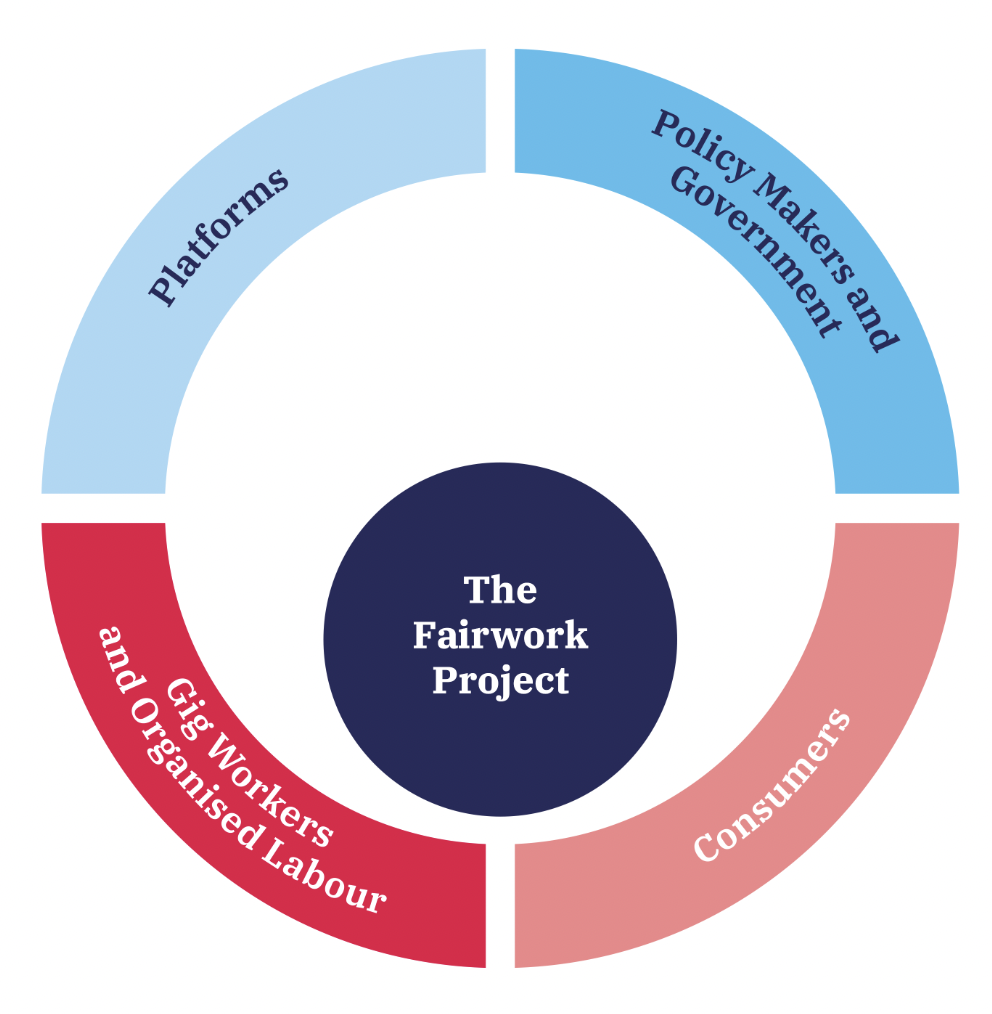
1) Platforms
We engage with platforms directly to push them to improve working conditions. As Fairwork grows, platforms are becoming increasingly aware of the importance of accountability mechanisms such as the Fairwork framework. By guiding platforms with our principles, we collaborate with them to improve their practices and policies to provide better job and income opportunities for their workers, while building a safer and fairer business.
As a result of our engagement, multiple platforms have agreed to make changes to their working conditions in accordance with the Fairwork principles. From the start of the project in 2018 up to the time of writing this report in late 2022, there have been 131 changes made to platform policies as a result of engagement and dialogue with Fairwork:
- 16 changes on Fair Pay, for example, implementing a policy to pay workers a minimum wage or a living wage.
- 22 changes on Fair Conditions, for example, implementing a GDPR-compliant data management policy or introducing sickness insurance.
- 31 changes on Fair Contracts, for example, translating their contracts or terms and conditions to local languages and changing contracts to be subject to local legislation.
- 47 changes on Fair Management, for example, improving their appeal process or implementing anti-discrimination policies.
- 15 changes on Fair Representation, for example, agreeing to the election of a workers’ representative or to engage with local workers’ associations.
2) Consumers
We believe that, given the opportunity to make more informed choices, many consumers will choose the most ethical option when faced with a choice between a poor-scoring platform and a better-scoring one. Our yearly ratings allow consumers to select the highest-scoring platform operating in a sector, thus contributing to pressure on platforms to improve their working conditions and scores. While most platforms still score pretty low in our rankings, the aim will be to continue to put pressure on platforms through our engagement and research, which will urge platforms to score better and consumers to support better-scoring platforms.
Over the past year, we have developed several campaigns centred around the role that consumers can have in pressuring platforms to improve working conditions. Fairwork has commissioned three surveys in the UK (London), Brazil (São Paulo) and Colombia (Bogotá) on consumer perceptions about the platform economy. The results were clear, with all three surveys finding that a majority of consumers think platform workers are being denied adequate pay and protections, and that there should be stronger regulation of the sector.
Next year we are planning to run more campaigns directed at individual consumers, such as petitions and letter-writing campaigns. Meanwhile, consumers continue to be a major focus of our regular communications. Via our social media channels and monthly newsletter, we can inform thousands of people around the world about the latest news on the platform economy.
3) Policymakers and Regulators
Our country teams are in regular contact with policymakers and regulating bodies to support them in making evidence-based decisions regarding the regulation of the platform economy, and to advocate for the rights and protection of all platform workers.
4) Workers and Collective Groups
Workers and workers’ organisations are at the core of Fairwork’s model. First, our principles have been developed and are continually refined in close consultation with workers and their representatives (see the explanation of the principle revision process below). Our fieldwork data and feedback from workshops and consultations involving workers inform how we systematically evolve the Fairwork principles to align with their needs. Second, through continual engagement with workers’ representatives and advocates, we aim to collectively support workers in asserting their rights and requirements.
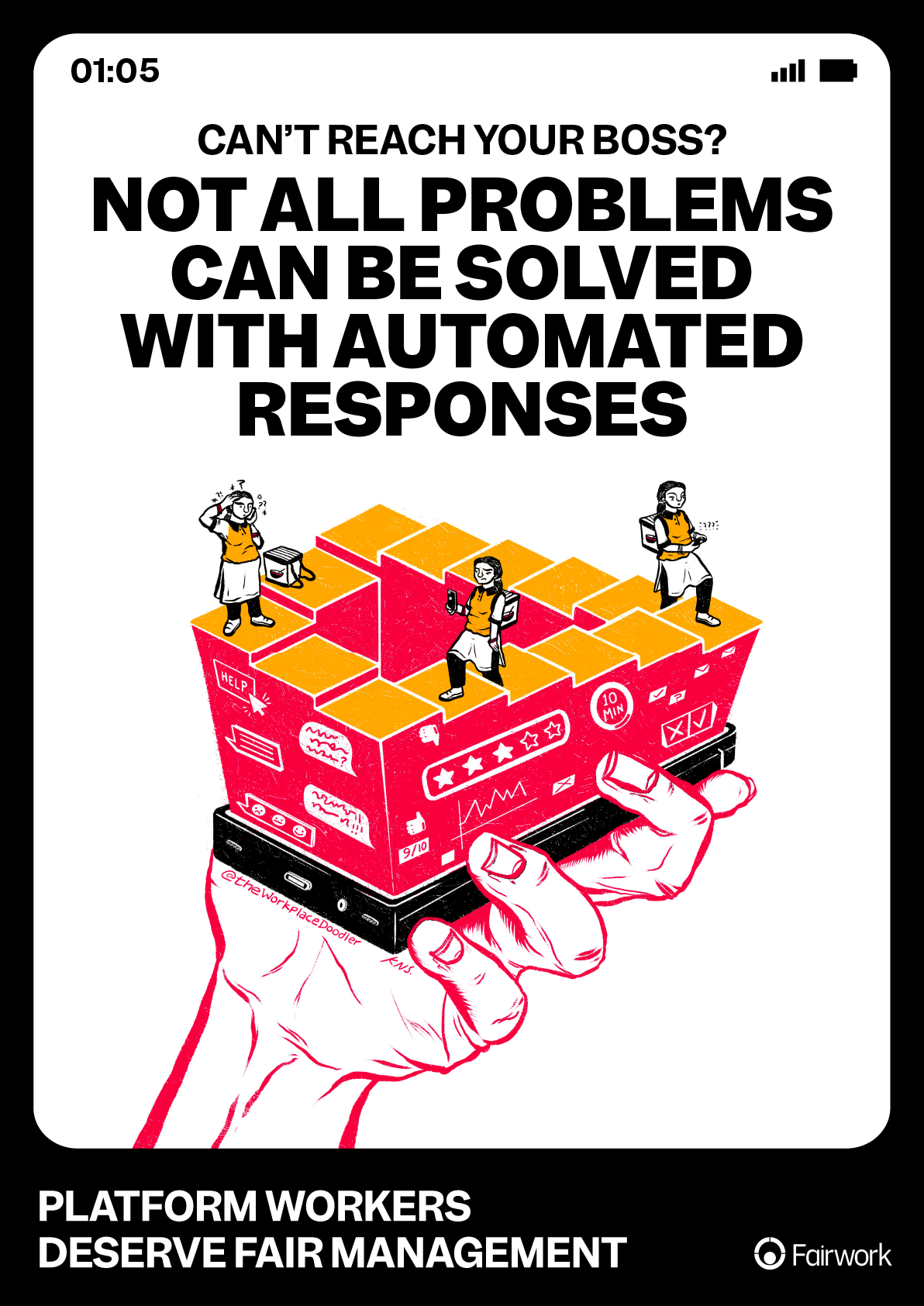
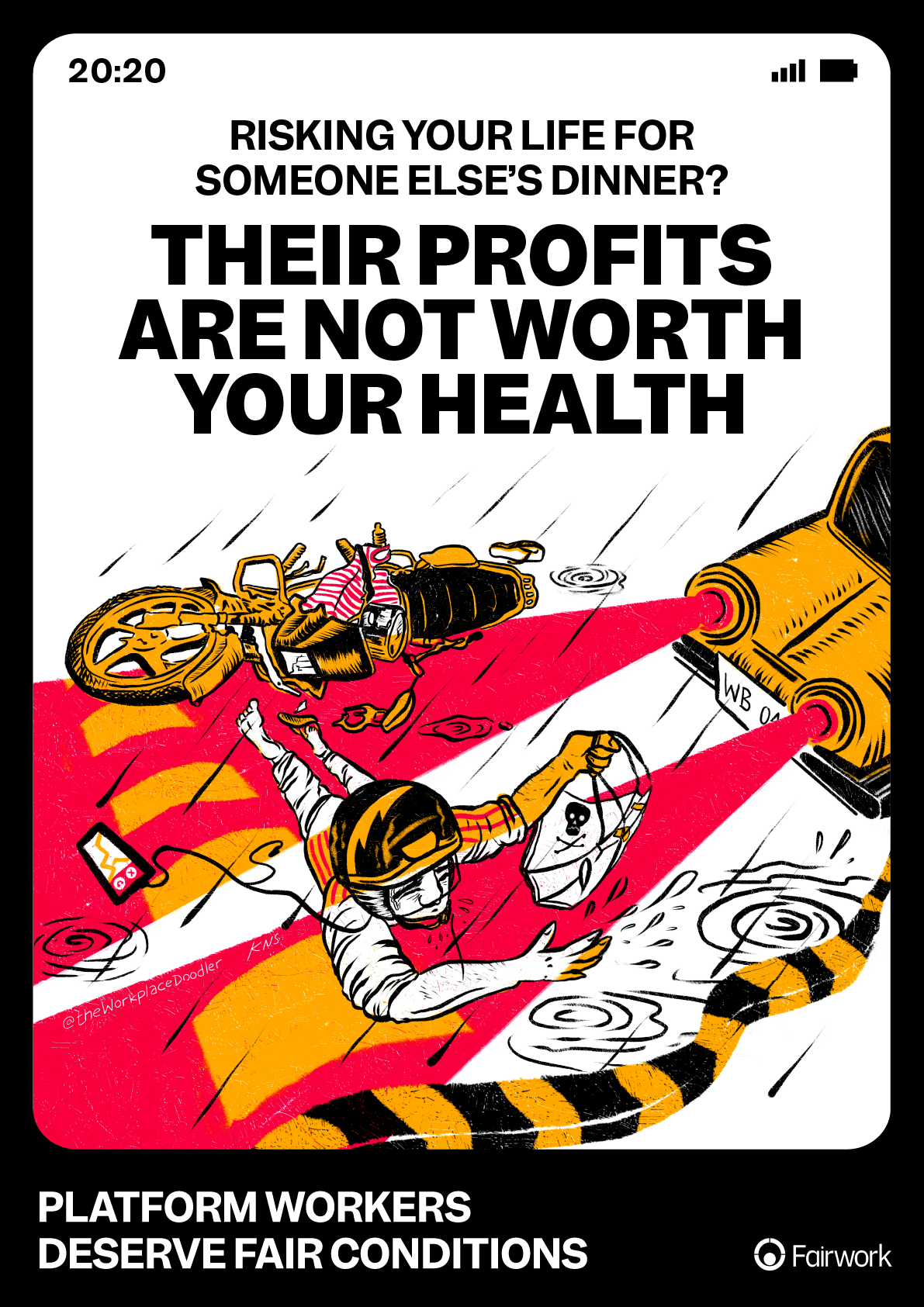
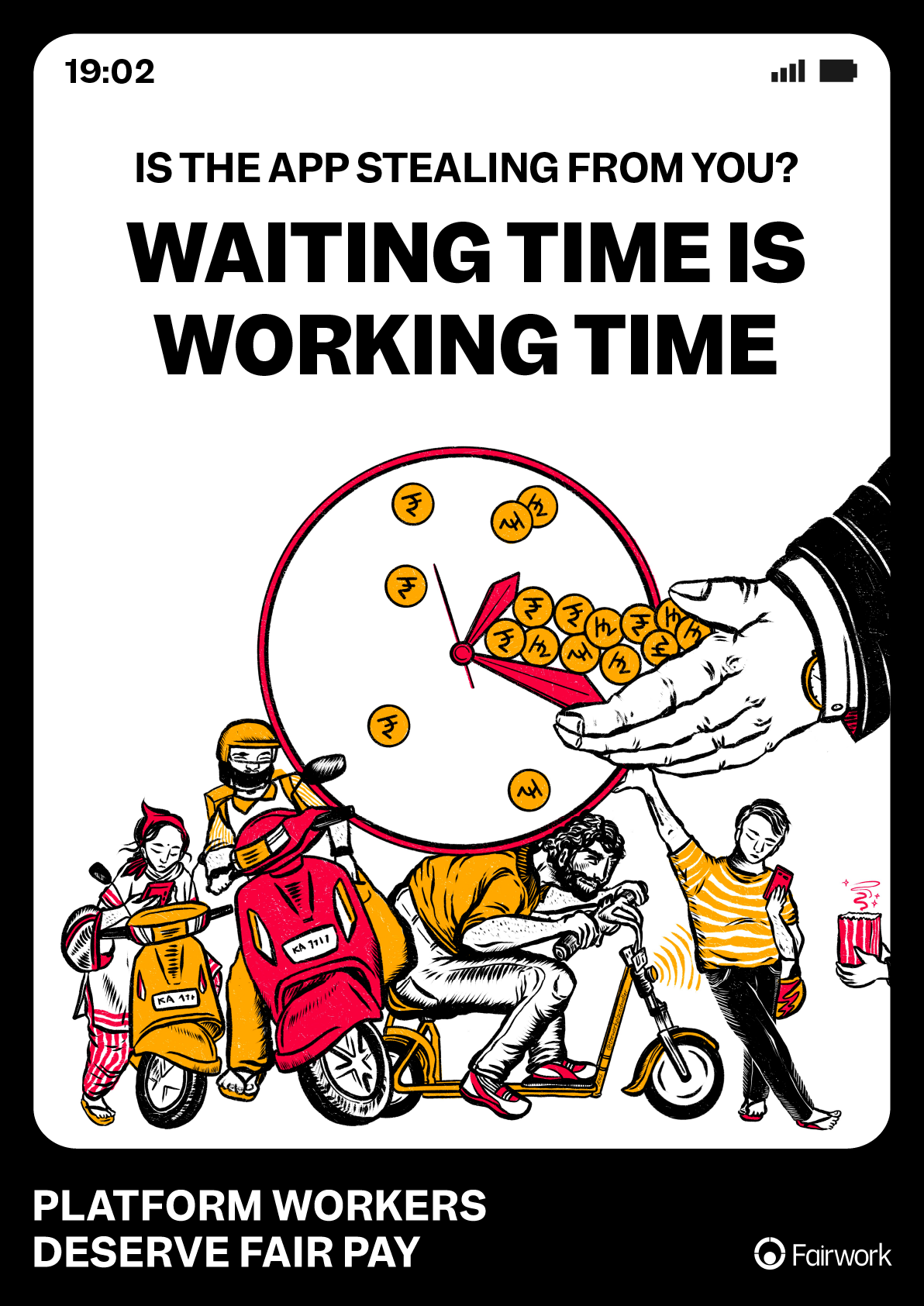
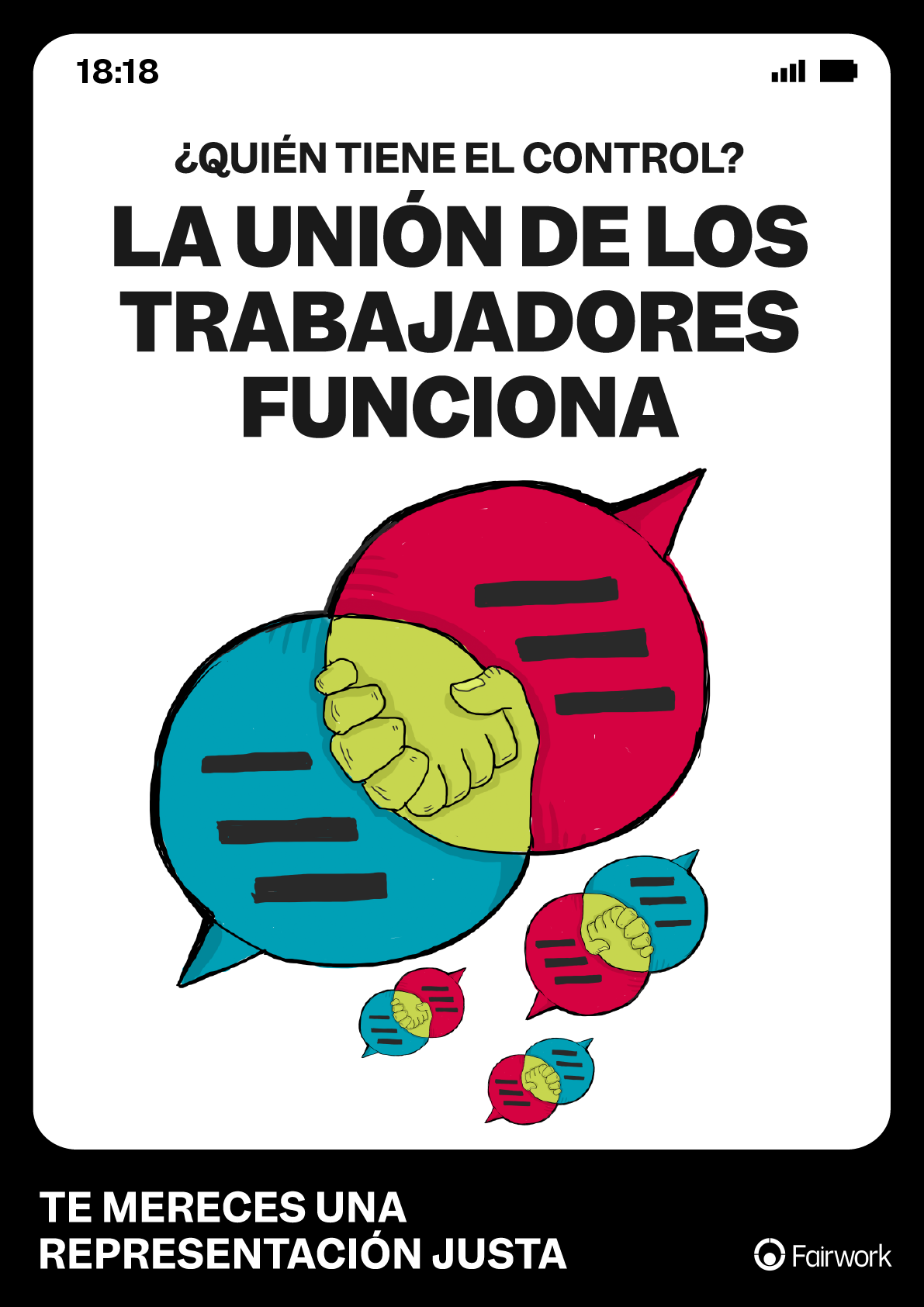
Fairwork works regularly with unions and workers associations to promote their campaigns and actions on our communication channels. Through the worker’s centre (see below), we also produce content and campaigns to inform workers about our research and offer additional resources to support worker activism. These activities include a list of resources and tools3 and a visual campaign about the importance of the Fairwork principles. We are also developing booklets that summarise findings from our reports, to be distributed to worker groups and supporters.


The Fairwork Pledge
As part of this process of change, we introduced the Fairwork Pledge in 2021. This pledge leverages the power of organisations’ procurement, investment, and partnership policies to support fairer platform work. Organisations like universities, schools, businesses, and charities that make use of platform labour can make a difference by supporting the best labour practices, guided by our five principles of fair work. Organisations who sign the pledge get to display our badge on company materials.
The pledge constitutes two levels:
Fairwork Supporters publicly demonstrate their support for fairer platform work and commit to disseminating Fairwork resources such as Fairwork reports and ratings among their members, employees and affiliates, to support them in making informed and socially responsible decisions when using digital labour platforms.

Fairwork Partners go even further by committing to disseminating Fairwork resources internally and, in addition, to concrete and meaningful changes in their own practices, for example by committing to using better-rated platforms where there is a choice.
We are proud to say that 35 organisations have now signed up as Fairwork Supporters and 6 organisations have become Fairwork Partners.

The Fairwork Pledge is open to all kinds of organisations, including research and training institutions, businesses, investors and public administrations, for example.
The Workers’ Centre

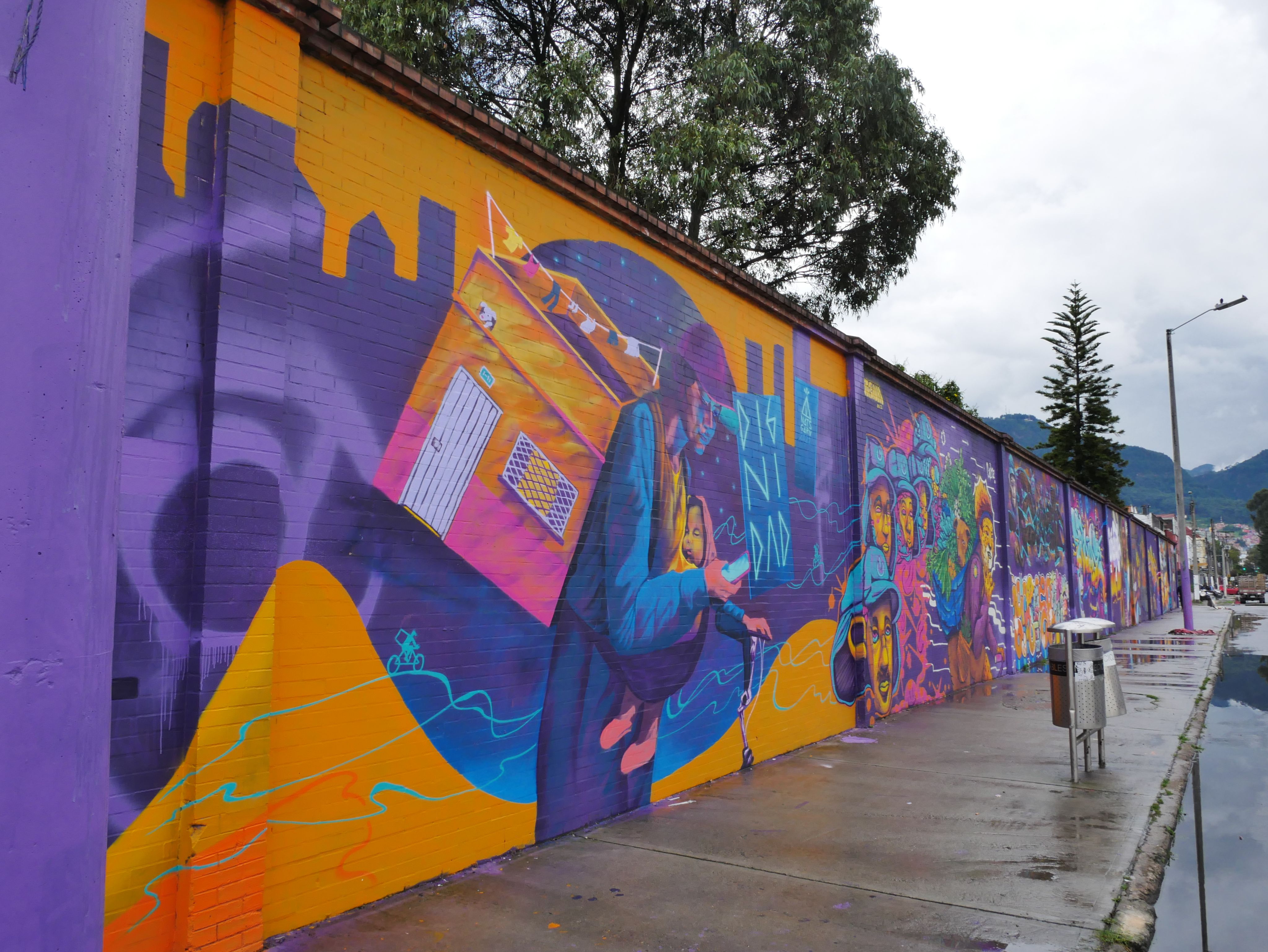
Fairwork’s research engages a range of stakeholders, including platforms, workers, trade unions, regulators, and academics, to make the platform economy fairer and more equitable. In particular, Fairwork seeks to be a resource for platform workers, and those looking to improve working conditions on platforms. For this reason, the team regularly works with local platform workers, unions, and labour advocates to develop materials that support their efforts in campaign for better conditions in the platform economy. These resources are permanently available on our website’s dedicated Workers’ Centre page.
There are two central aims for the Workers’ Centre:
- to build awareness among workers and labour advocates of useful projects and campaigns, local regulatory responses, platform practices and effective strategies for platform workers to thrive.
- to build solidarity among networks of platform workers.
The Centre is currently built around several resources that are continually updated, which include:
Unions Contacts Database:
A publicly available database of unions and worker’s associations in different sectors of the platform economy. This provides support to unions in their work, helps platform workers seek advice and resources from associations near them, and builds solidarity among workers.
Resources and Tools:
A compiled list of resources and tools that may be useful for workers navigating work in the gig economy. This includes tools that can help workers keep track of active work time and connect to others working in the sector as well as sources of information about worker rights, platform policies, and tools that can be used by labour advocates to organise more efficiently.
Whistle-blower Form:
This form allows platform workers to report malpractice and poor workplace conditions. Platform workers can also provide feedback on existing ratings and share evidence if a platform is no longer fulfilling the conditions of an awarded point.
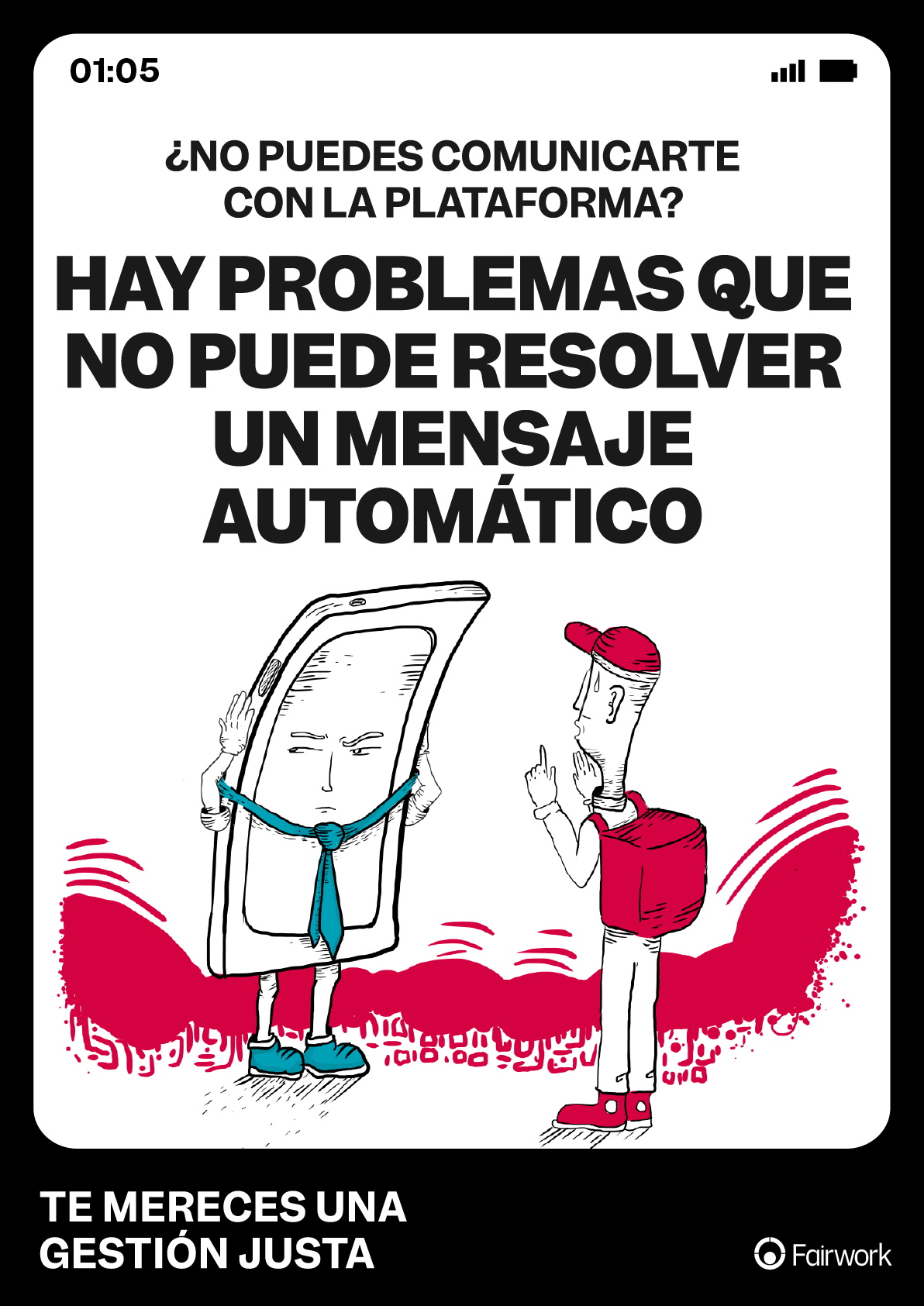
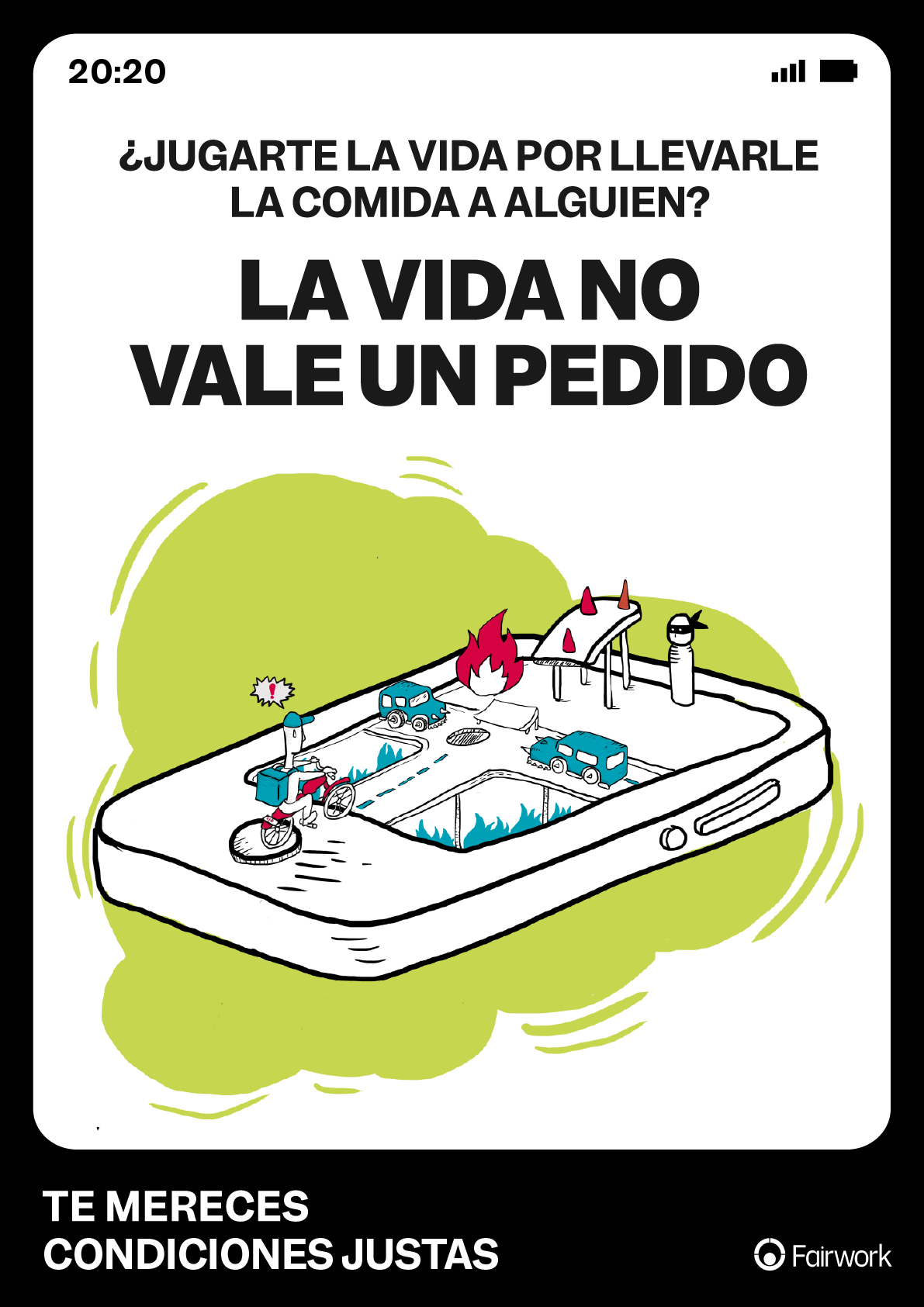
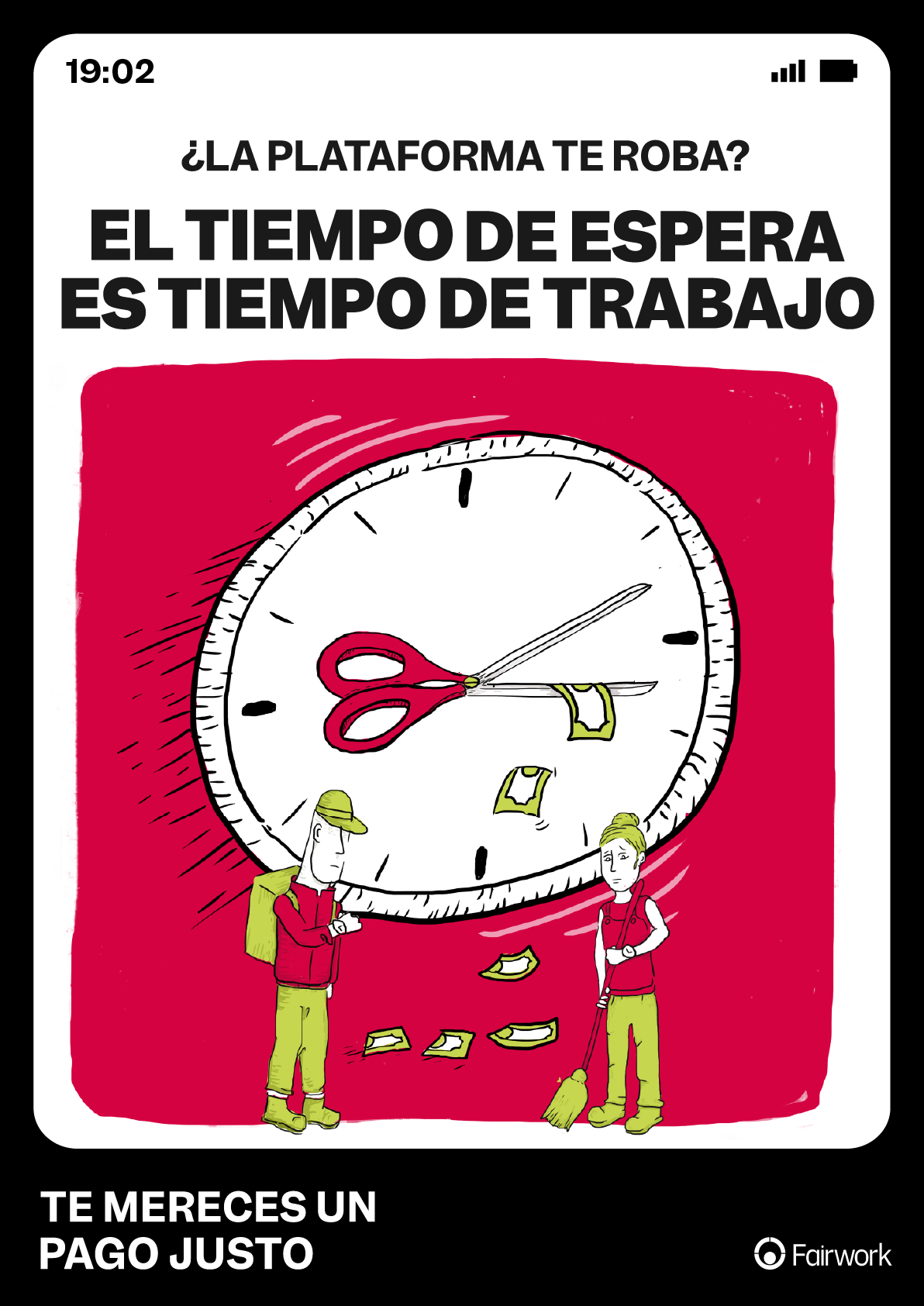
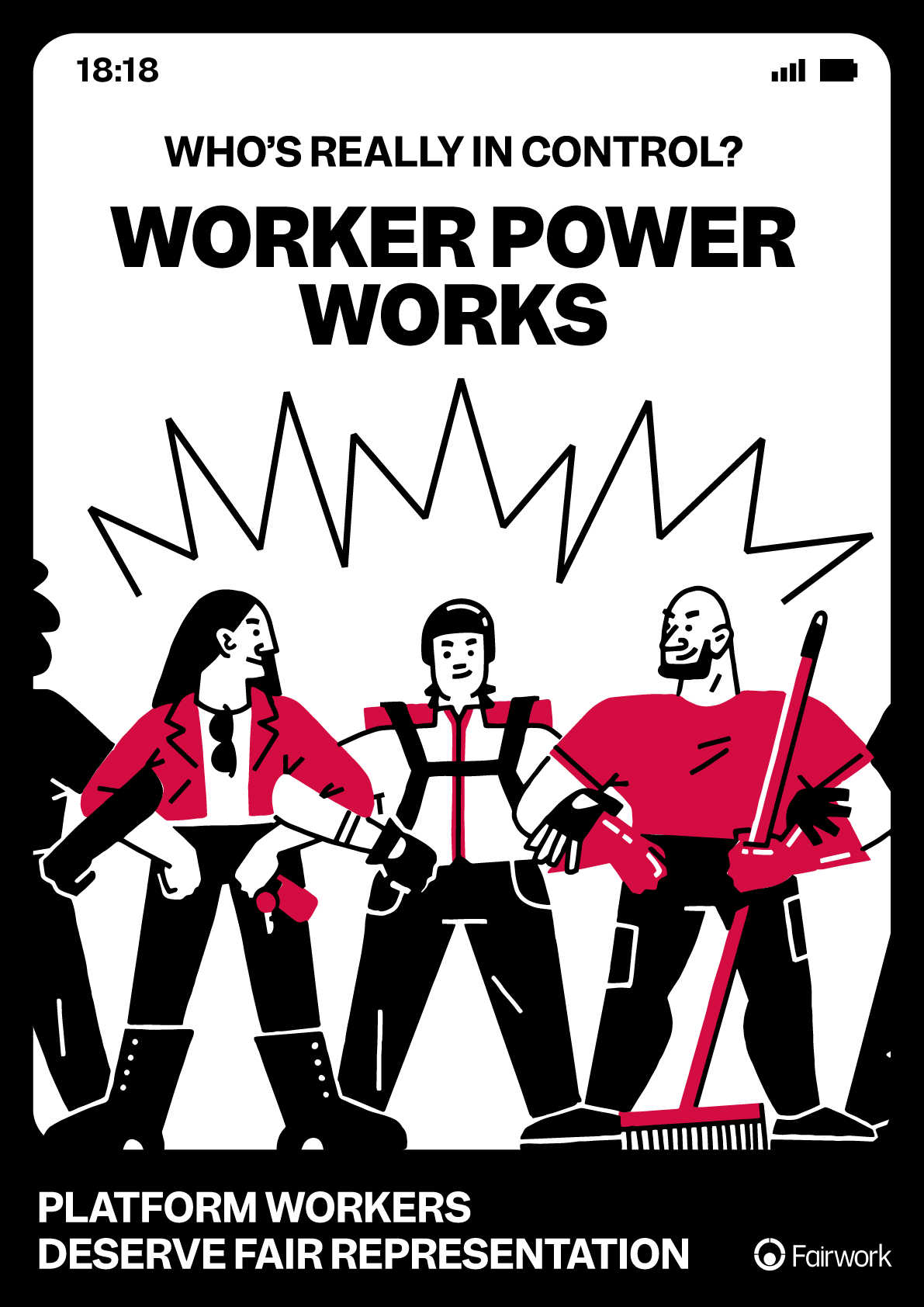
Fairwork Principles visual campaign:
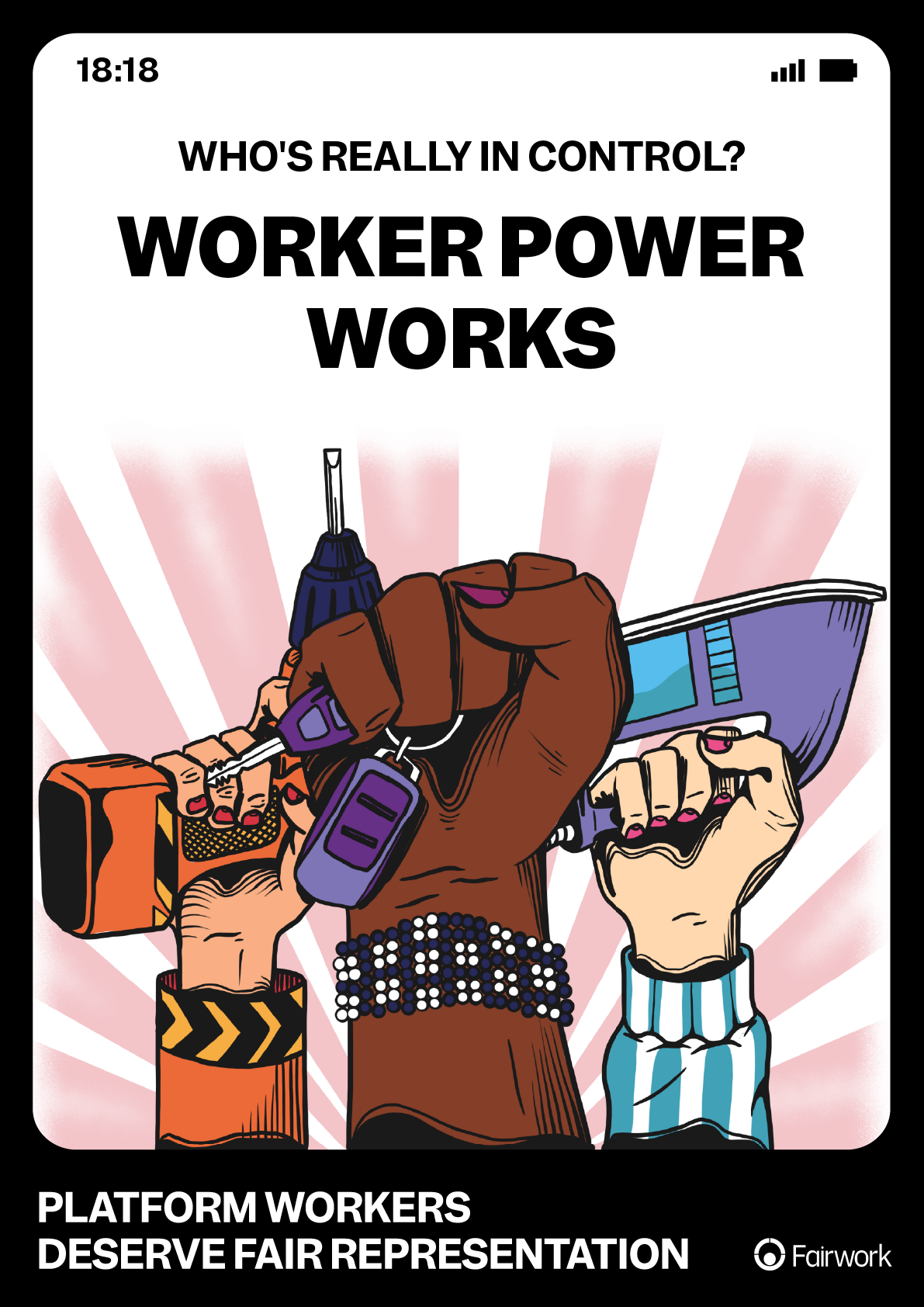
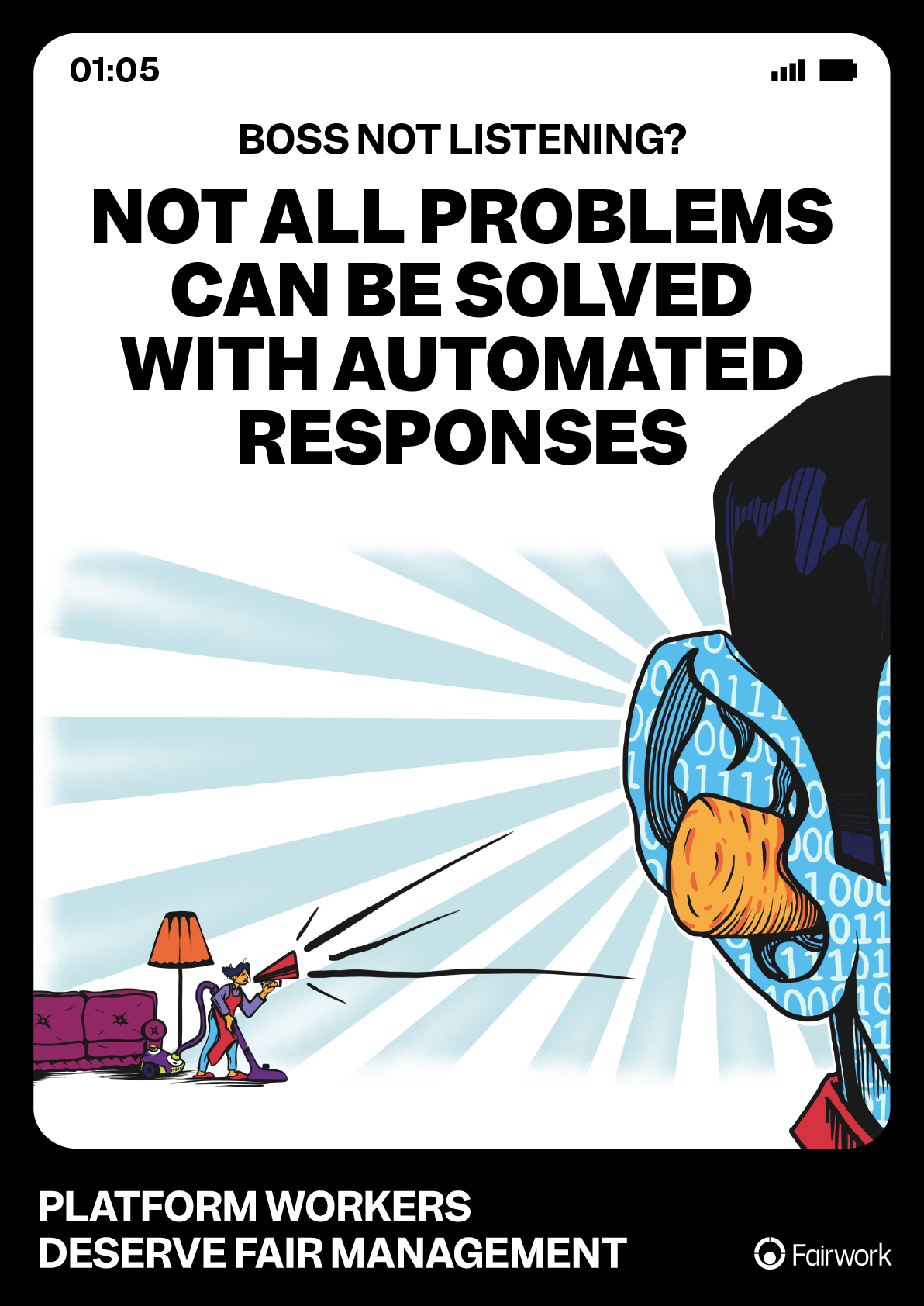
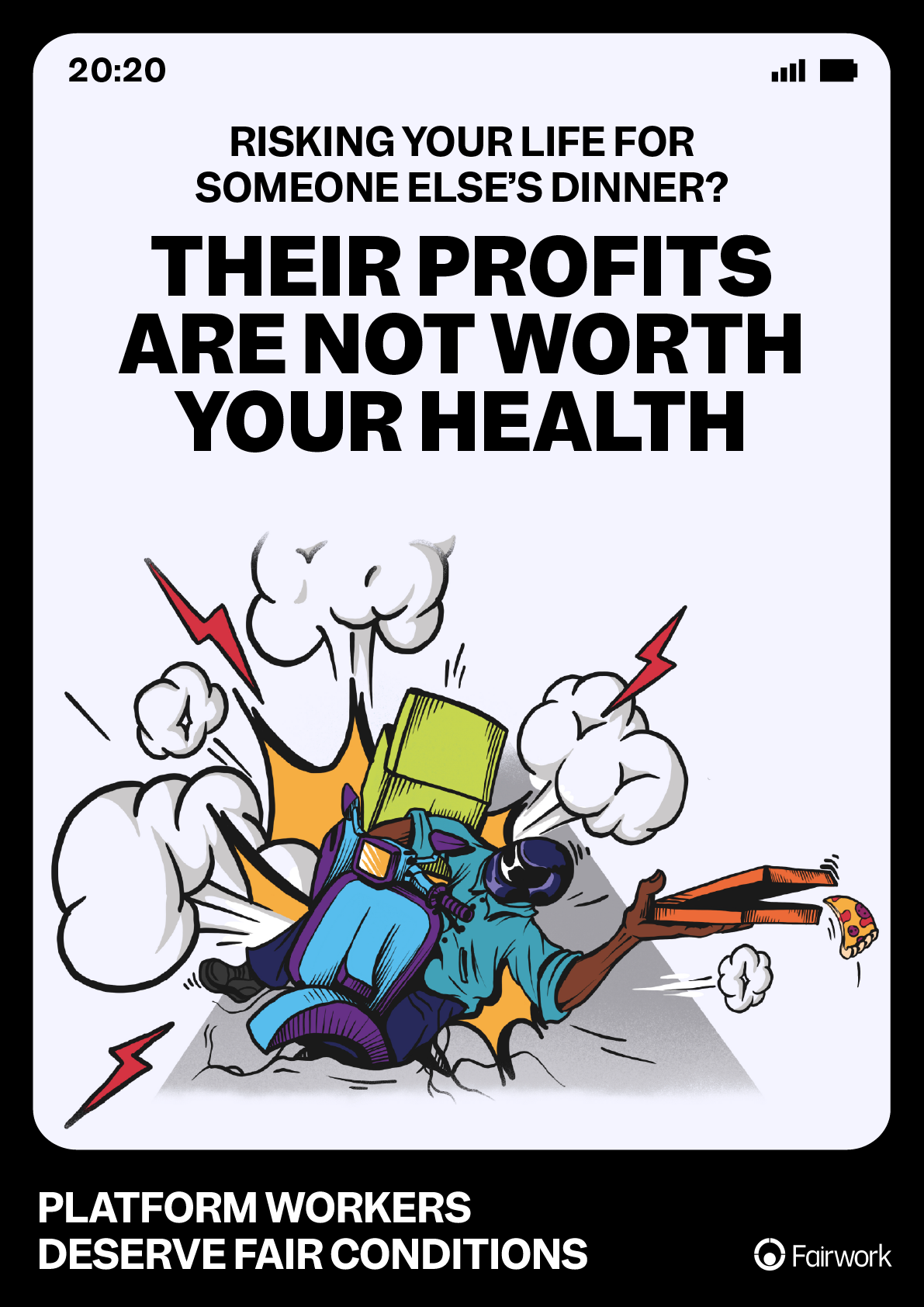
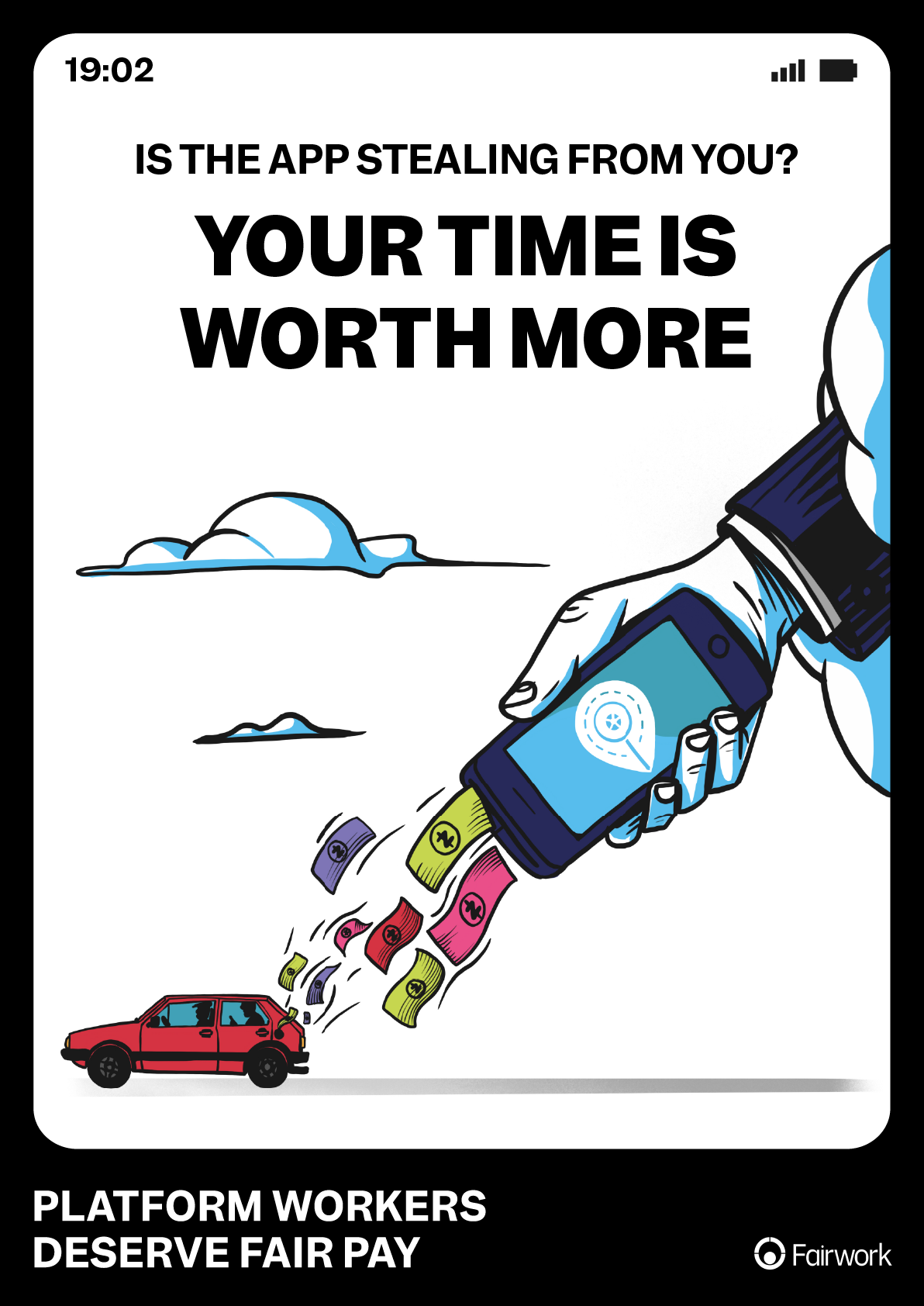
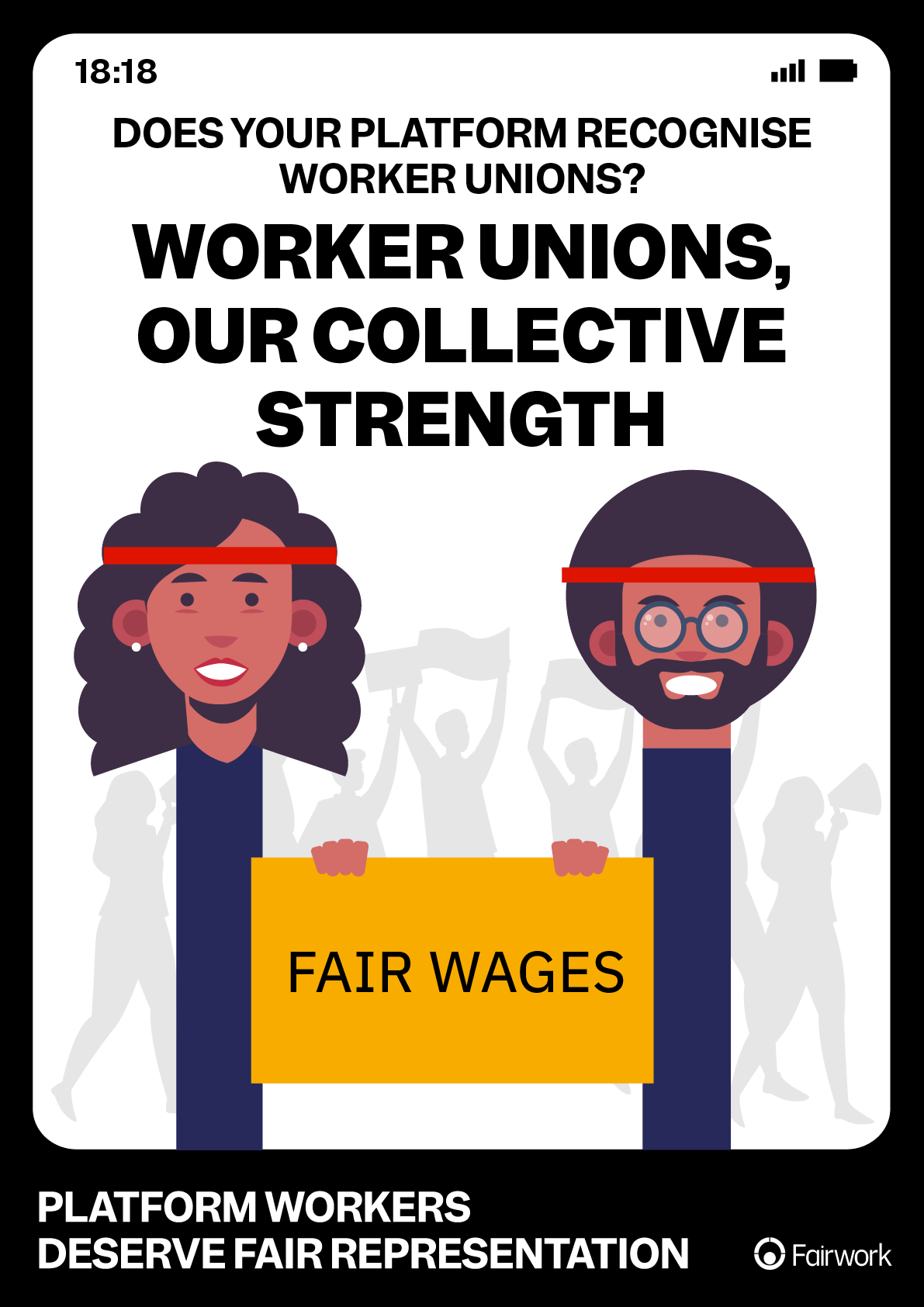
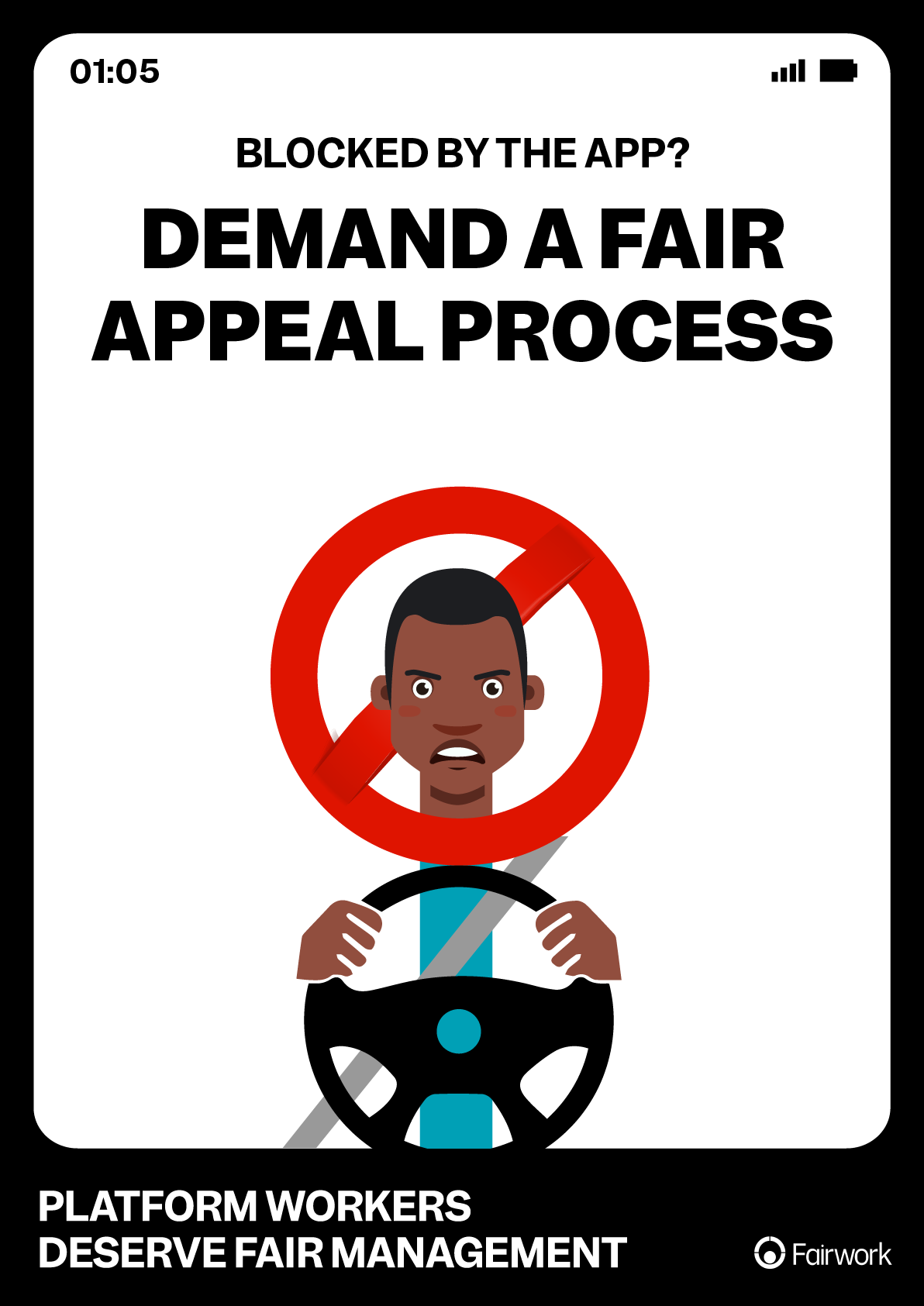
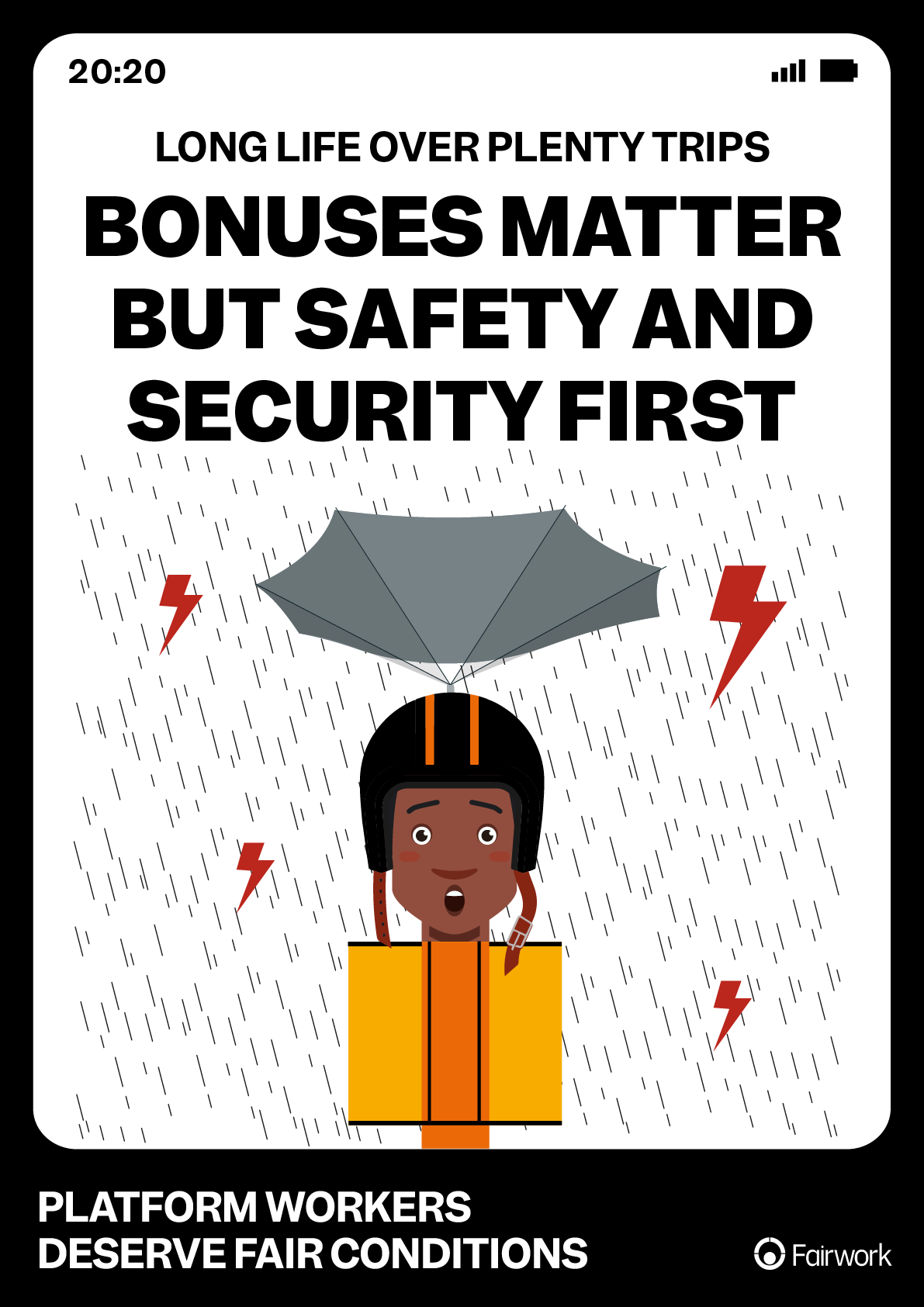
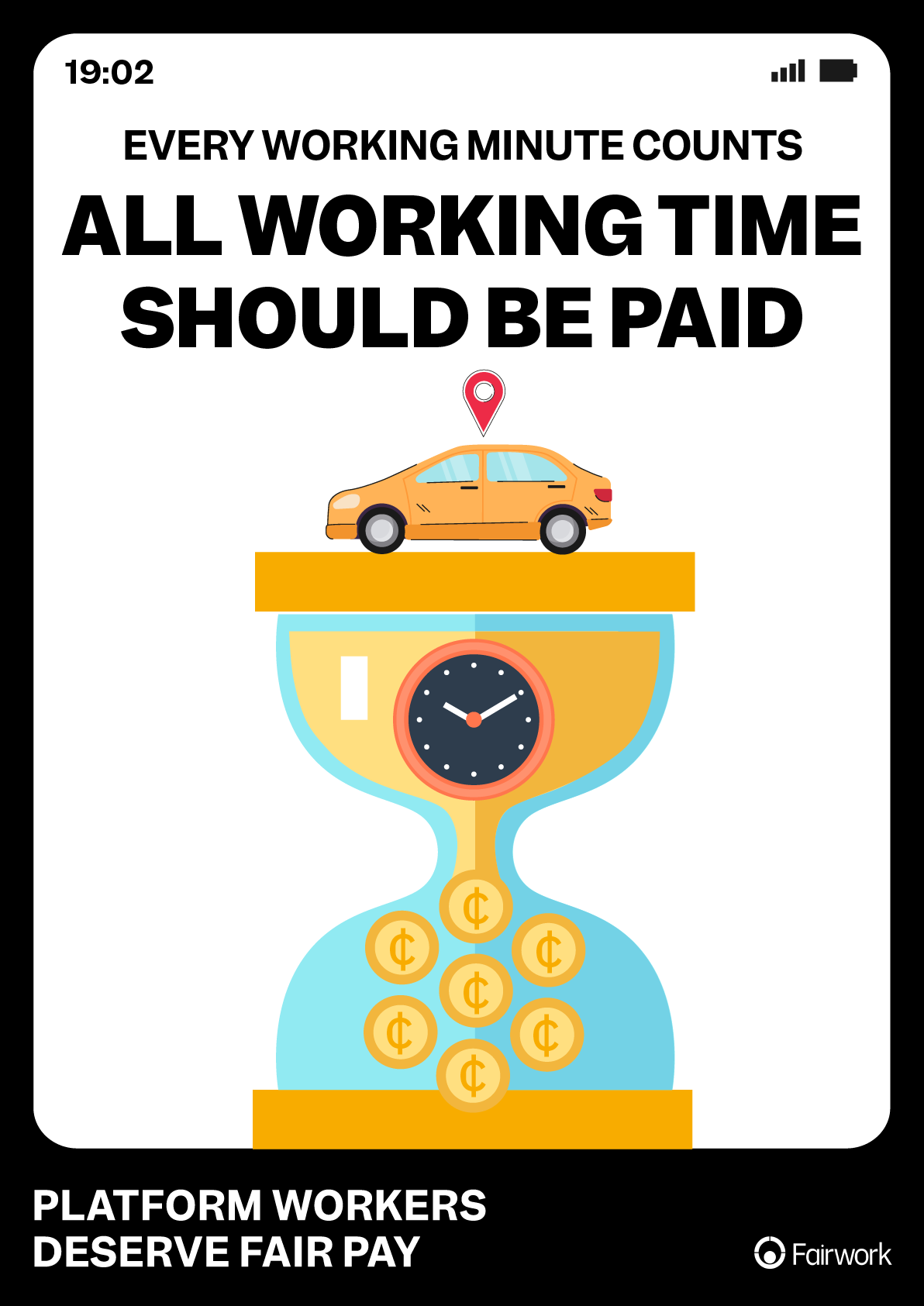
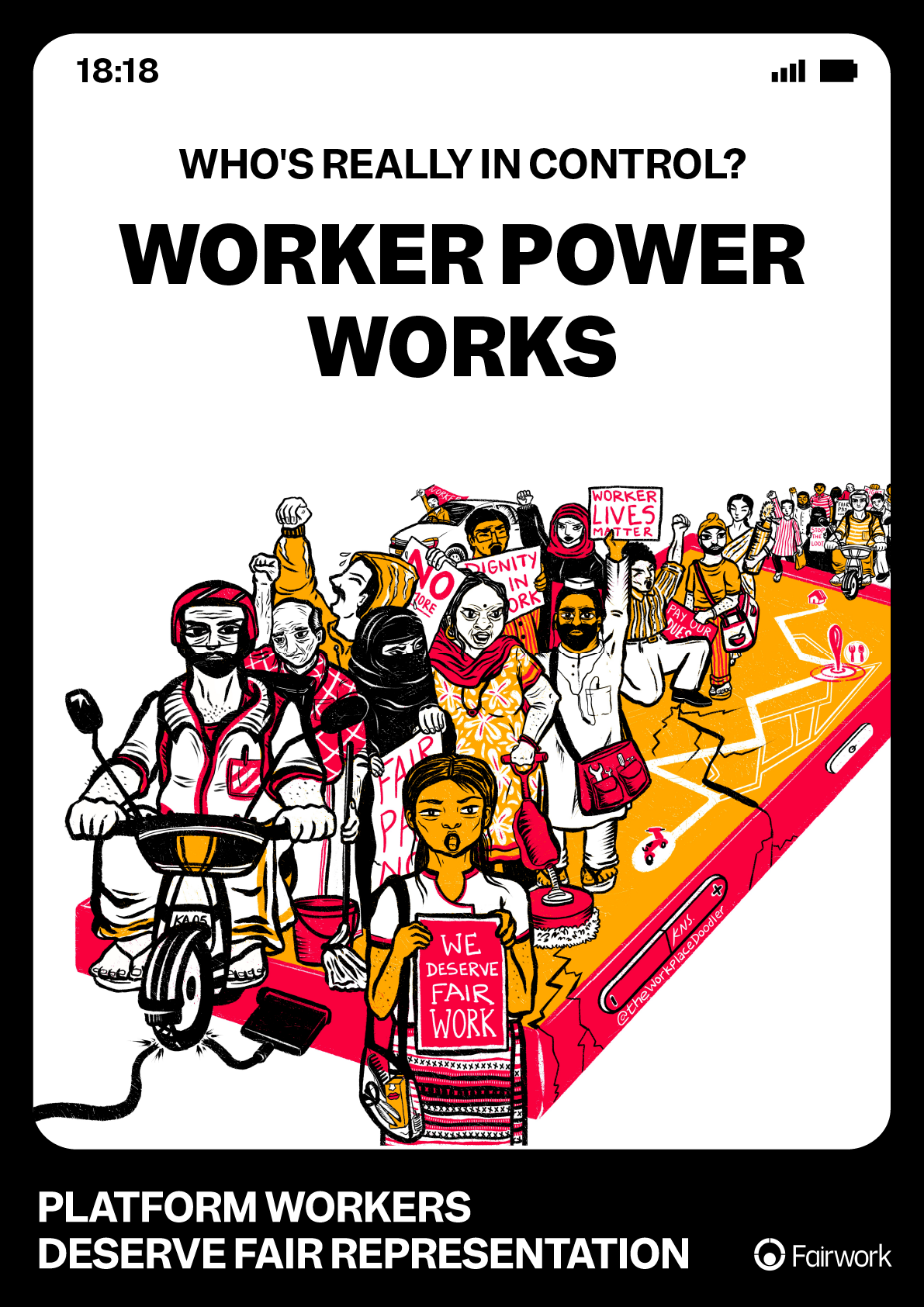
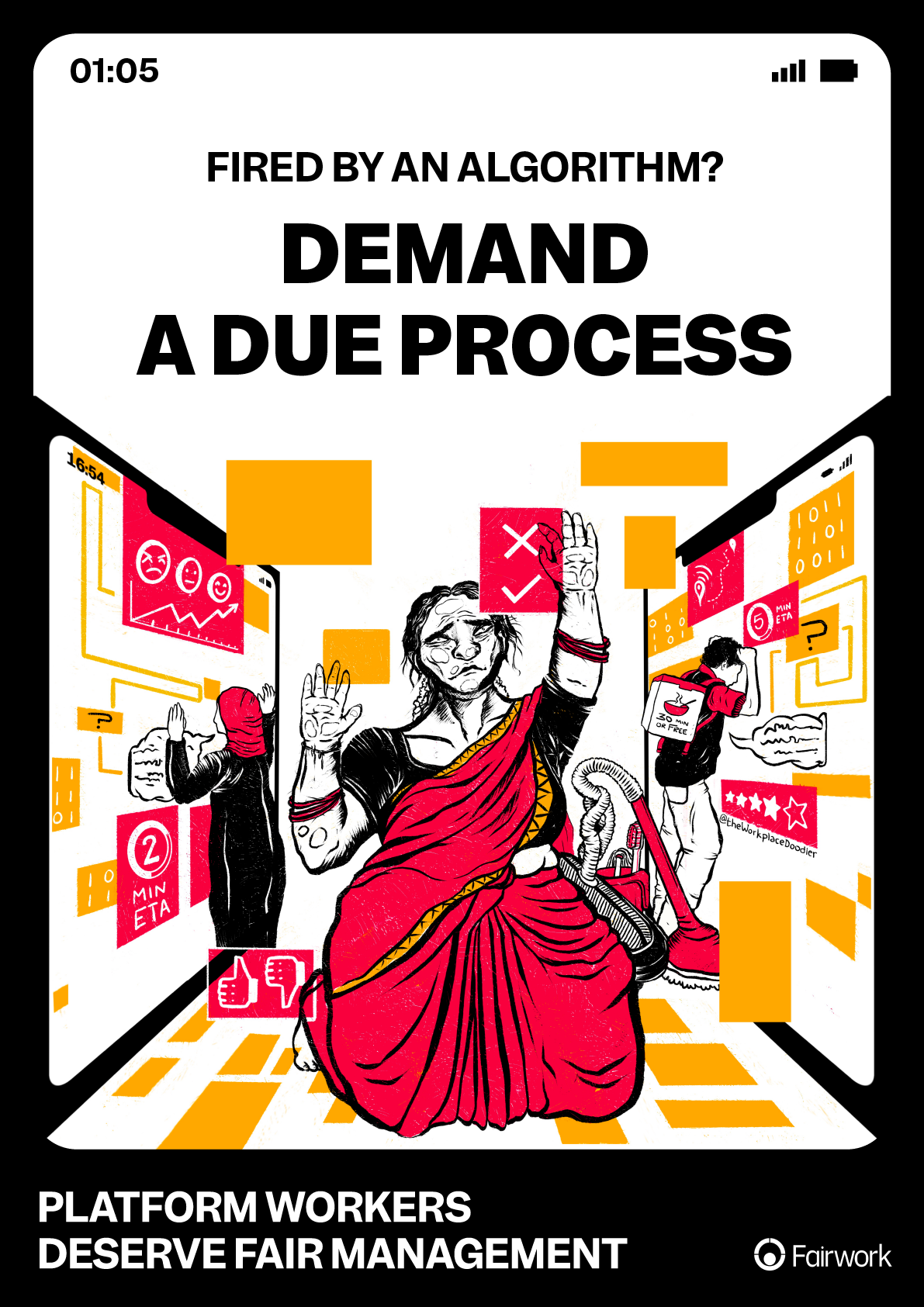
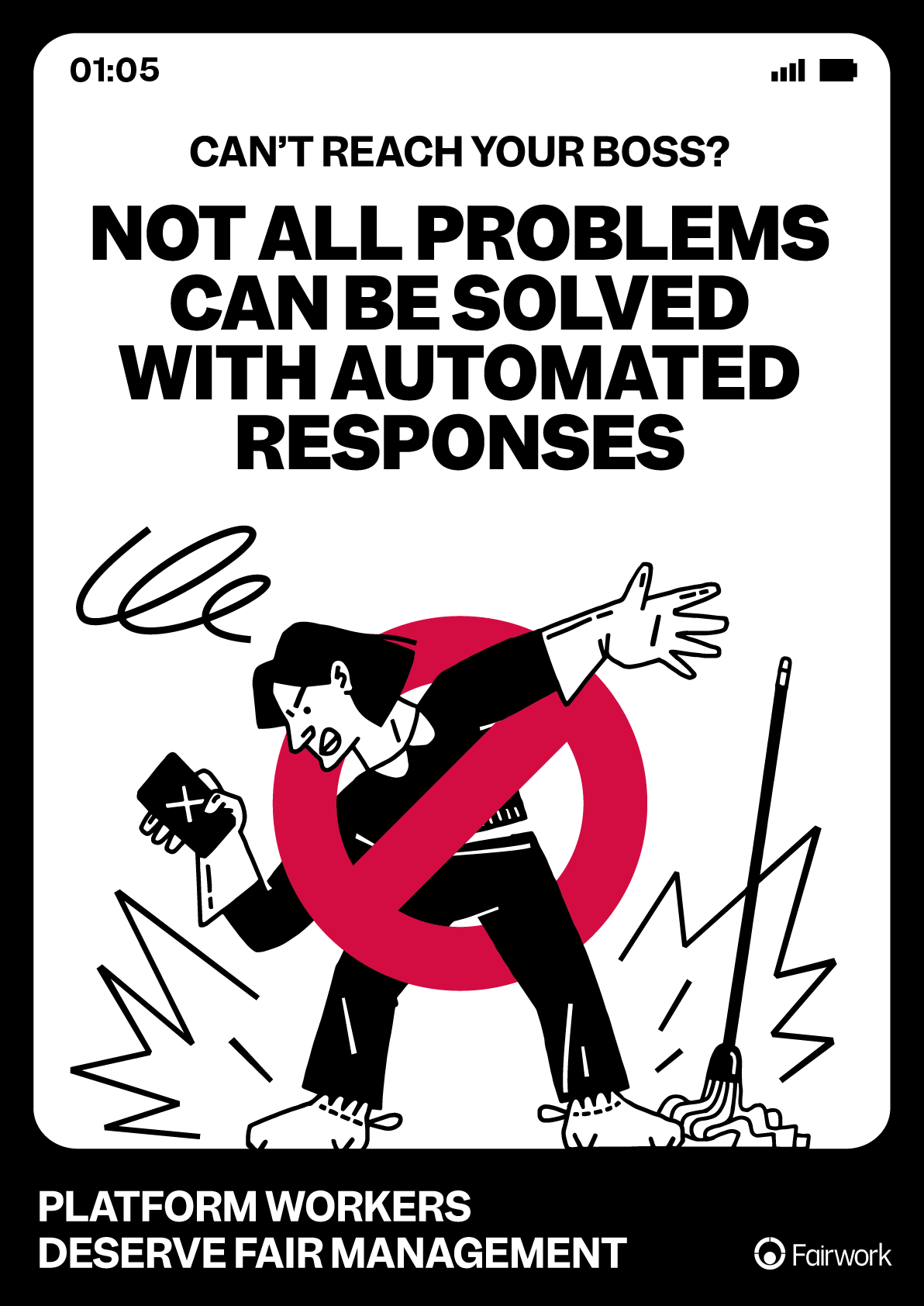
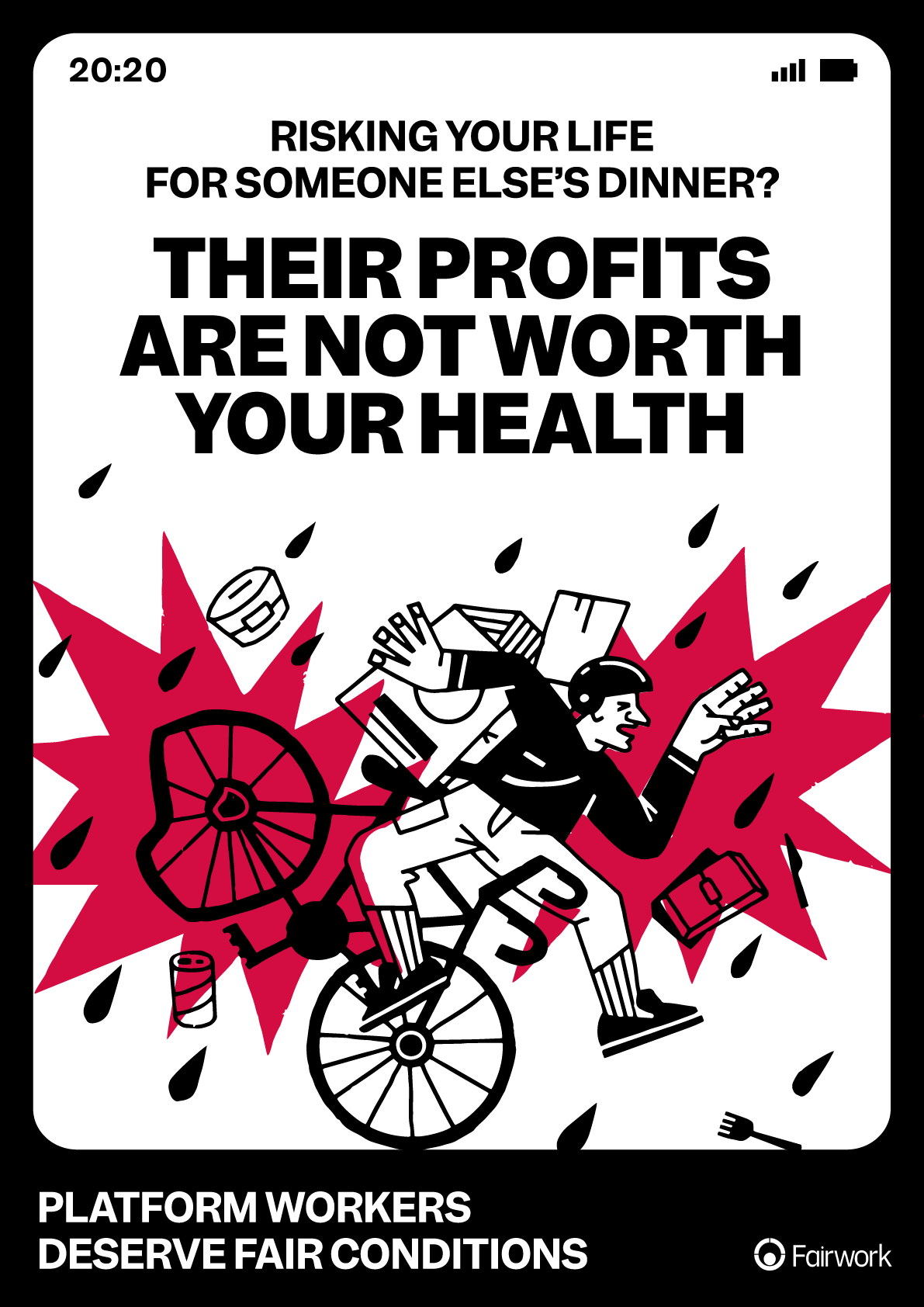
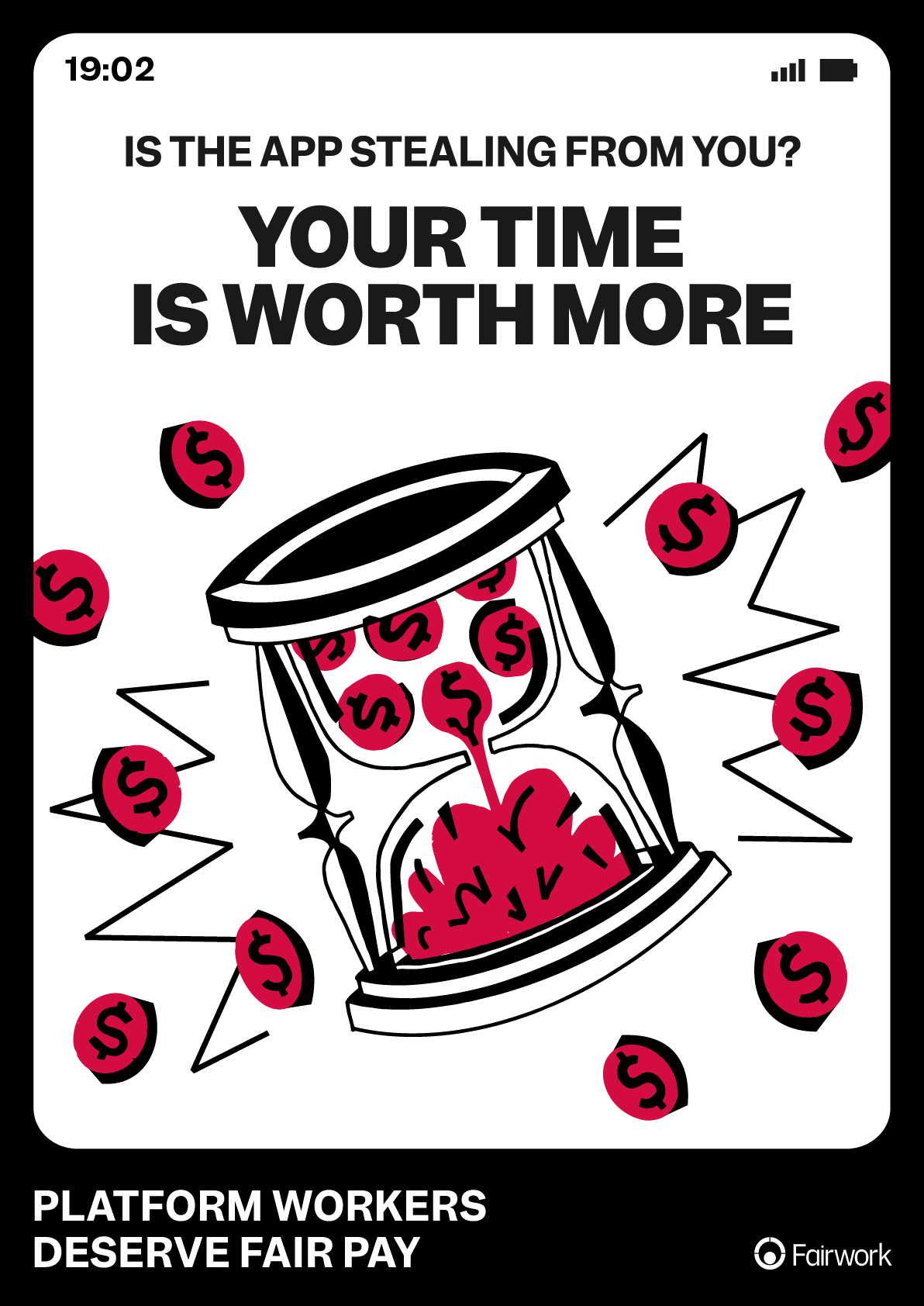
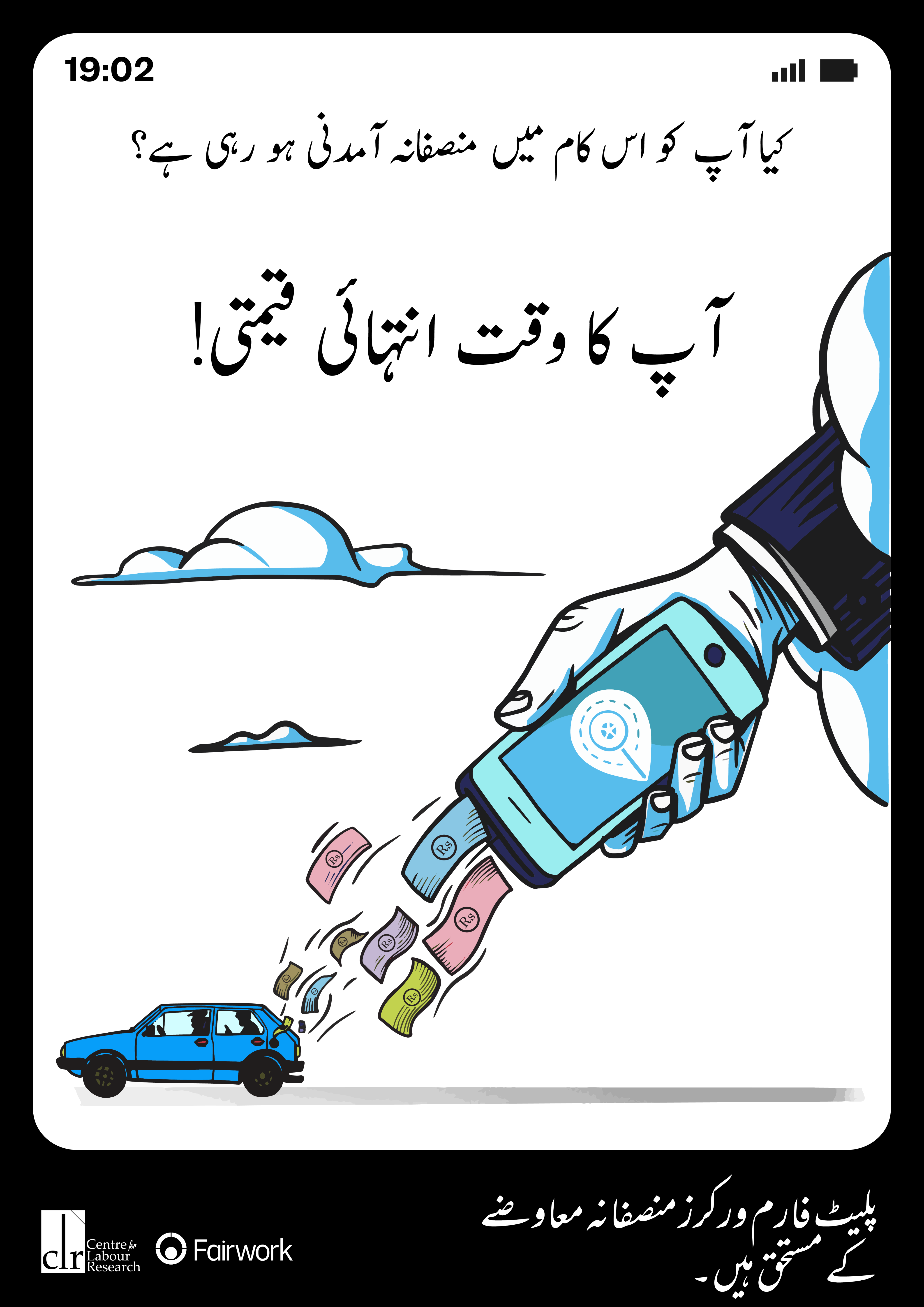
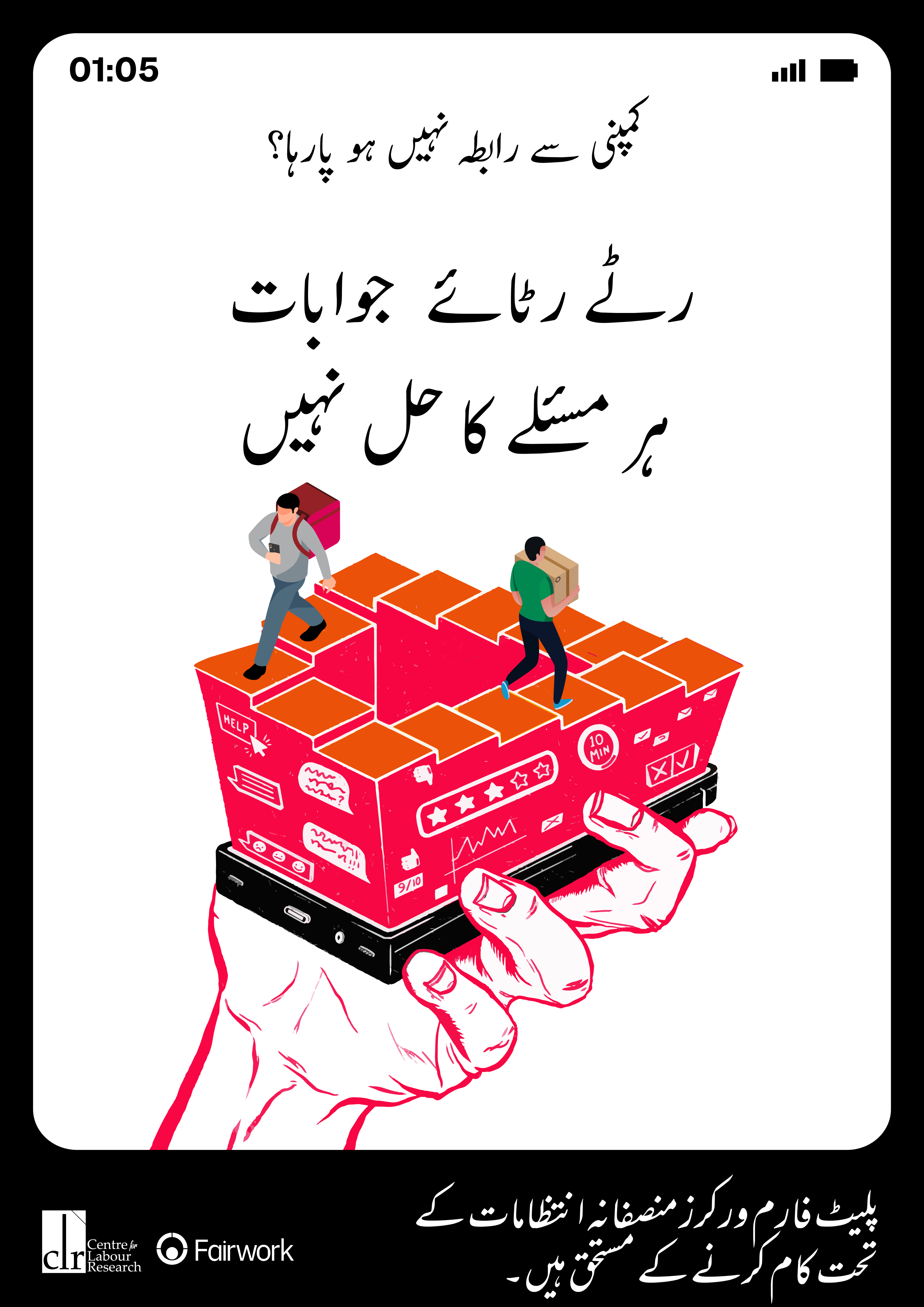
The Fairwork Principles represent the minimum standards of decent work that all platform workers deserve. The principles cover basic protections that guarantee workers a living wage, protection from work-related risks and access to their labour rights. In order to better communicate the importance of these principles and challenge opposing narratives, Fairwork have worked collaboratively on designing a series of graphics on the Fairwork principles. In order to ensure the campaign was grounded on the local context and experiences of workers, we worked with five artists from five different countries: Vicente Reyes Montealegre (UK), Leigh Cupido (South Africa), Juan Pablo Dueñas (Colombia), Kruthika N. S. (India) and Awo Tsegah (Ghana). Each of the artists, some of whom had personal experiences with gig work, created a local interpretation of the principles’ message in collaboration with the local Fairwork teams, workers, and local associations. The resulting graphics are being distributed among workers, organisers, and consumer groups across the network in the form of posters, stickers, t-shirts, social media posts, etc.
The Fairwork Podcast:
In November, we launched the second series of the Fairwork Podcast. This series of eight episodes features the stories from workers and researchers across three continents, focusing on cloudwork platforms like YouTube to OnlyFans to microwork platforms like Appen and Scale. The series presents a diversity of individual experiences that exist within the planetary labour market, with the aim of providing a nuanced perspective of how different workers across the world experience online platform work.
The podcast form gives us the freedom to explore creative ways of engaging people within debates surrounding the platform economy. It also gives us a chance to place the worker’s voice as central, and we hope it will empower workers to see that their experiences are important and worthy of being heard.
Visual worker stories:
Workers’ testimonies are at the core of Fairwork’s research, and we want them to be a core part of our communications and outreach too. We are therefore working in a number of different countries, including Brazil and Germany, to produce a series to visual worker stories that will capture the real experiences of working in the platform economy. These stories will soon be available online.









Fairwork Public Outreach Campaigns 2022 in Brazil and Colombia
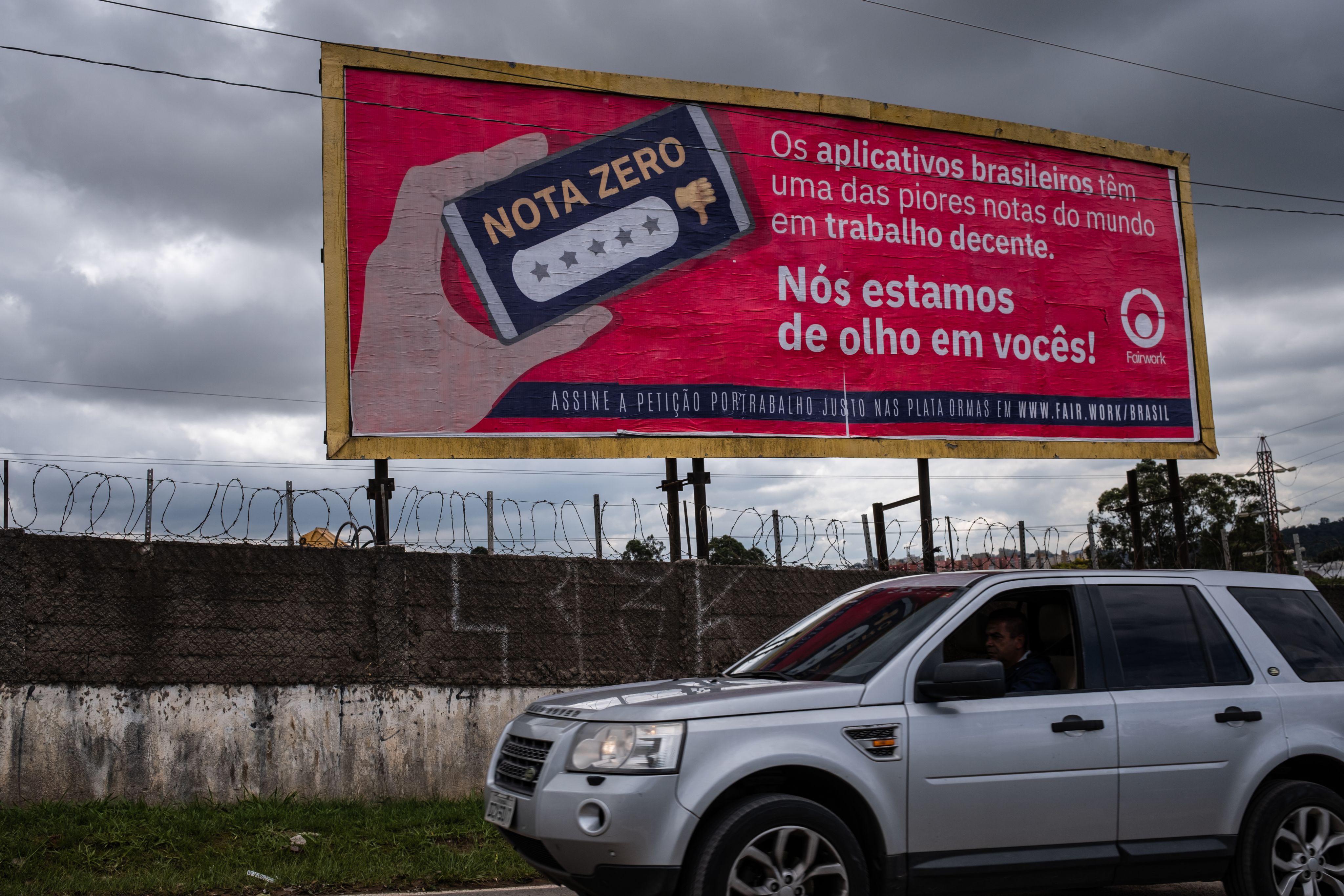
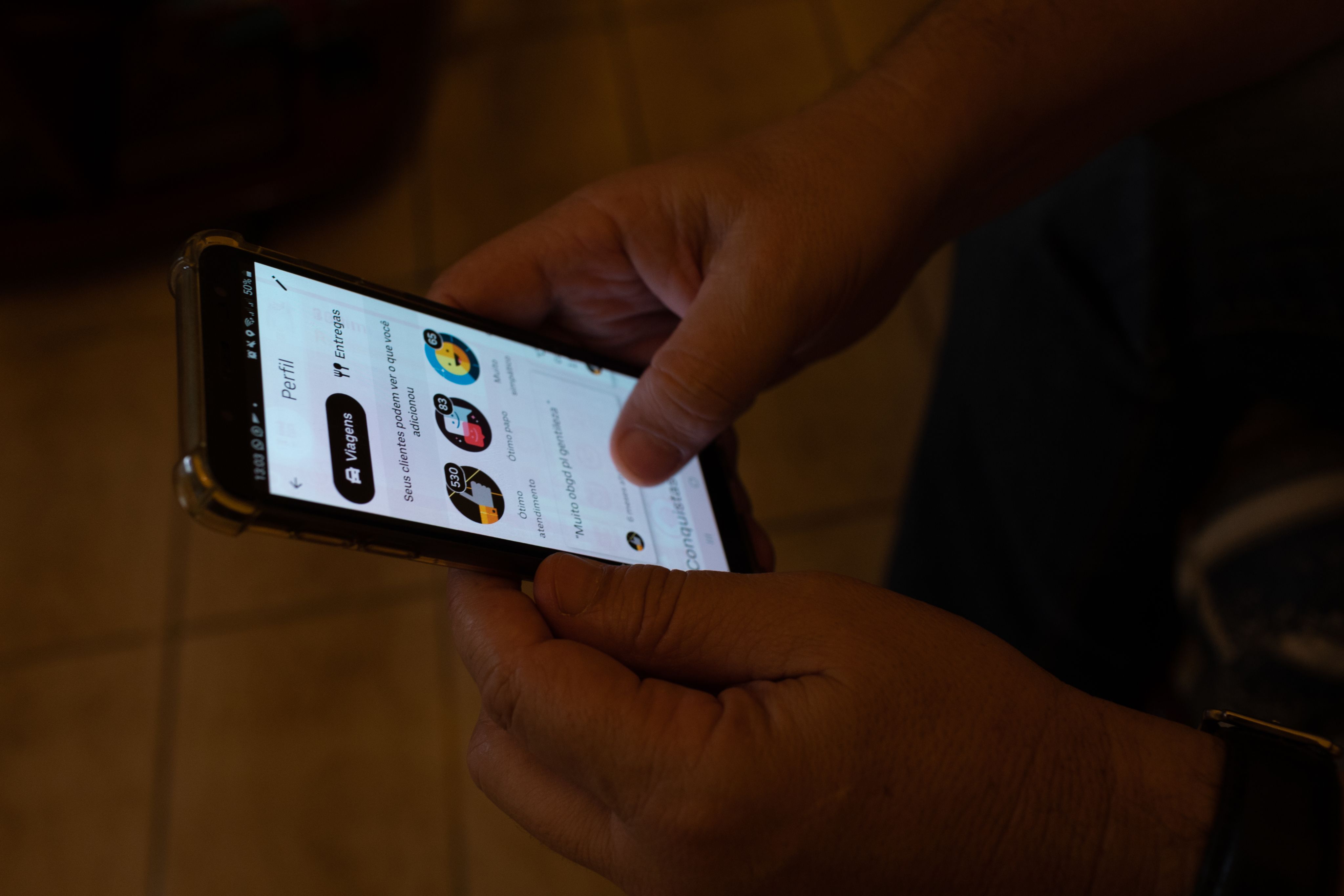
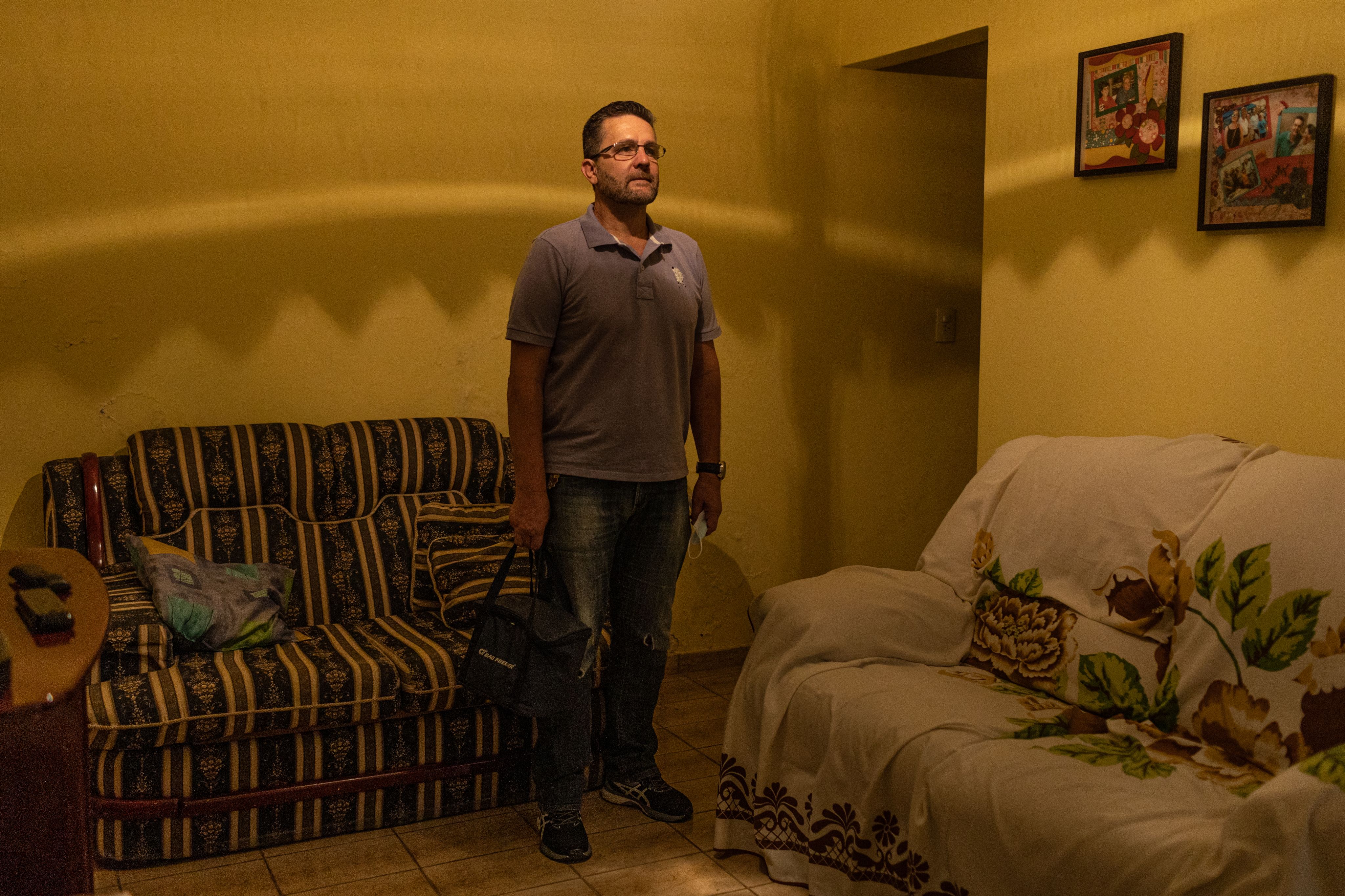
In 2022, Fairwork conducted two public campaigns in Colombia and Brazil with the aim to increase the visibility of the Fairwork ratings and the Fairwork Pledge in both countries. The public campaigns were built around three elements in each country: (1) a poll with consumers about their perception of fairness in the platform economy, (2) production of worker photo stories portraying workers’ experiences in the platform economy, (3) public campaigns combining physical billboards and digital content or exclusively building on digital content in social media. The campaigns were carried out between April and November 2022.
The polls showed overwhelming support from Brazilian and Colombian citizens for fairer platform work: 93% of the people polled in São Paulo and 77% of people polled in the Colombian cities of Bogotá, Medellín and Cali said they believe that platform workers deserve better protections and pay.
Through these campaigns, we were able to raise broad awareness of platform workers’ conditions in both countries: In Brazil, the poll results4 and the photo story of Juliana5, a 34-year-old delivery driver, were published in one of Brazil’s top newspapers, Folha de São Paulo, with more than 360,000 issues in April. In November 2022, a new window of opportunity opened in Brazil to position platform workers’ rights at the top of the political agenda with the victory of left-wing candidate ‘Lula’ da Silva. To seize this window, we used the poll results and the photos of Juliana to spark a new wave of public attention for platform workers’ conditions with a series of physical billboards. Three billboards were put up in the periphery of São Paulo with references to precarious and dangerous working conditions on digital platforms and a call to consumers to sign the Fairwork Pledge. In addition, a billboard truck cruised through the city centre of São Paulo on 5 November, informing pedestrians about the precarious working conditions of platform workers and highlighting poll results that showed broad support from São Paulo citizens for stronger regulation of platform work.
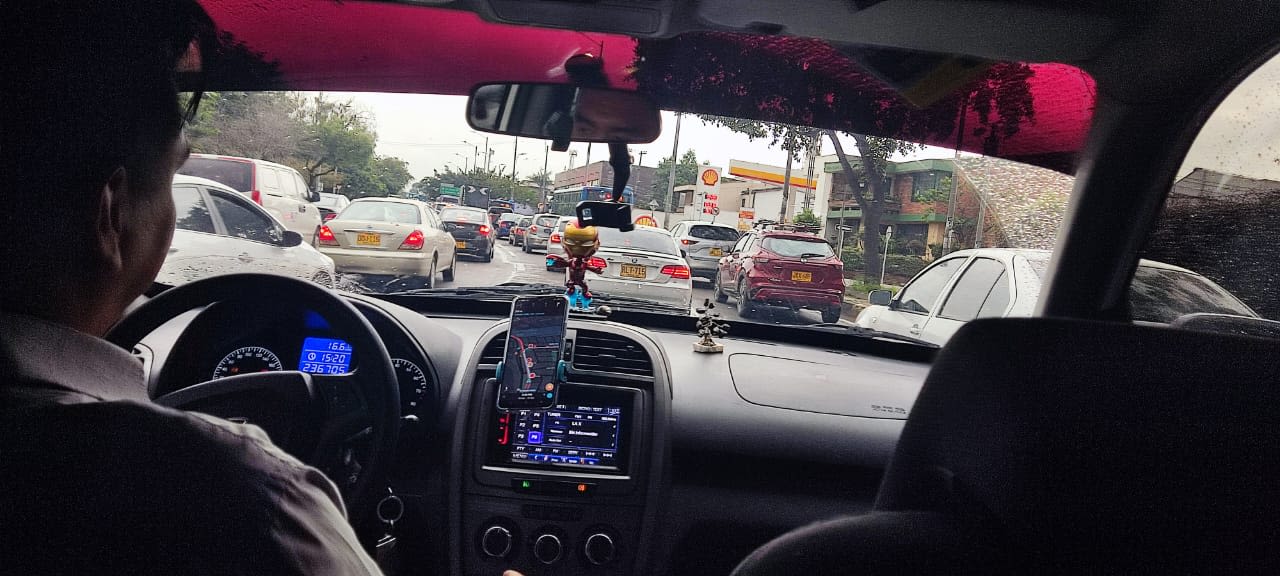
In Colombia, the poll results were disseminated in the form of a digital outreach campaign on Fairwork’s social media channels, conducted in collaboration with the local digital campaigning agency Camino. The social media campaign ran from mid-October until the end of November 2022 and covered a broad range of topics related to working conditions in the Colombian platform economy through focused content on Twitter, Facebook and Instagram, building on the Fairwork principles and the Fairwork Colombia ratings. The campaign also promoted the Fairwork Pledge. More than 2,100,000 Colombians saw the posts and more than 70,000 interacted with them through likes, shares or comments.
 Built with Shorthand