Platform Changes
Platforms have the ability to improve conditions for their workers while continuing to provide income opportunities. In consultation with the Fairwork team, the following platforms agreed to implement changes to their policies or practices in 2022:
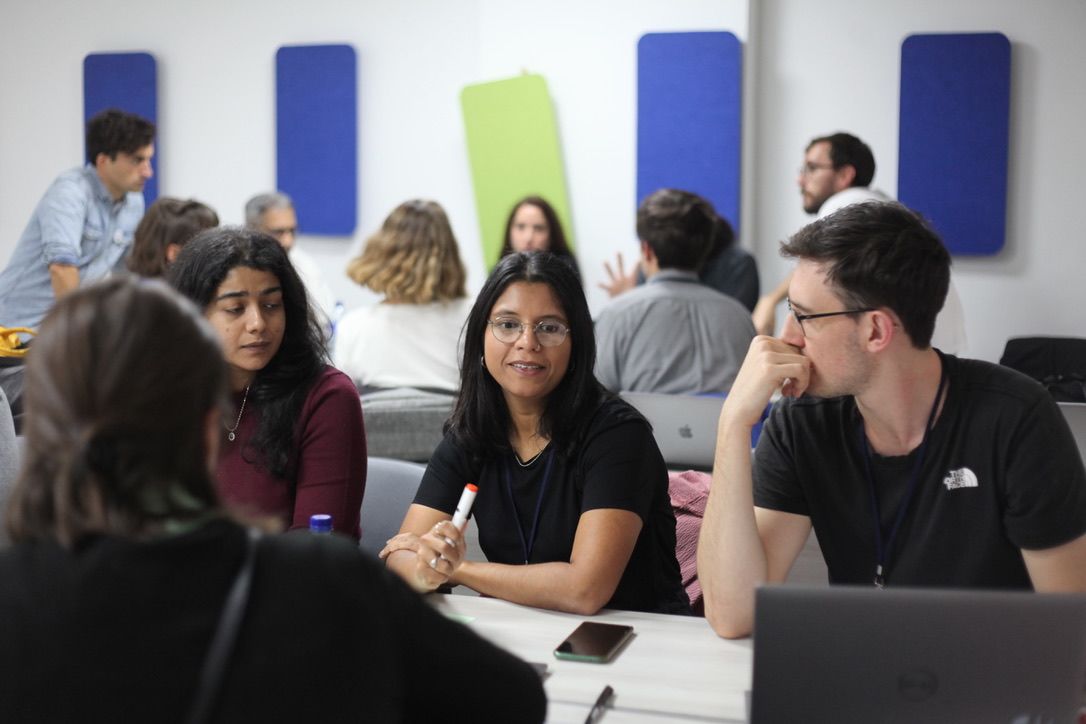

144 changes made to platform policies as a result of engagement and dialogue with Fairwork
18 changes on Fair Pay
26 changes on Fair Conditions
37 changes on Fair Contracts
48 changes on Fair Management
15 changes on Fair Representation
|
Country |
Principle |
Platform |
Commitment/action |
|---|---|---|---|
|
Austria |
1.1 |
Extrasauber |
Committed to a new auditing procedure to ensure that subcontractors (partner companies) comply with the principles of fair working conditions. This procedure consists of several measures. Firstly, information on minimum wages and bonuses defined in the collective agreement, as well as on further sources of information and advice, is now provided on the app. Secondly, employed cleaners are regularly asked via the app whether they actually receive these (minimum) wages. If this is not the case, the platform asks for uploads of timesheets and pay slips in order to take further steps (e.g. referring the worker to the Chamber of Labour). |
|
Austria |
2.1 |
Extrasauber |
Committed to a new auditing procedure to ensure that subcontractors (partner companies) comply with the principles of fair working conditions. This procedure consists of several measures. Firstly, information on minimum wages and bonuses defined in the collective agreement, as well as on further sources of information and advice, is now provided on the app. |
|
Austria |
3.1 |
Mjam |
The food delivery platform Mjam has also developed an audit process for subcontractors, and will begin implementation in 2022. More precisely, subcontractors will be audited annually by means of a questionnaire (e.g. on the type and number of workers) and of supporting documents to be submitted (e.g. work contracts). In the case of violations, a detailed audit is to be carried out, which may end with a temporary or permanent termination of the contract. |
|
Austria |
4.2 |
Mjam |
New approaches to fight discrimination and to promote inclusion are being adopted by Mjam. For instance, an anti-harassment guideline as well as a whistle-blower hotline are now advertised through various channels to make riders aware of them and to motivate them to use these instruments in case of need. |
|
Belgium |
1.1 |
Ring Twice |
Ring Twice has increased the minimum pay for workers in the lowest paying categories (pet sitting and babysitting) from 5€ to 7€, based on the minimum suggested by 'la ligue des familles'. Ring Twice also adapted the 'recommended price' that workers get to see when setting their pay level. Before this used to be the technical minimum, this is now an average, depending on the price rate for each job category. |
|
Belgium |
4.1 |
Ring Twice |
Ring Twice has formalized an appeal process that is communicated via email to workers when they are deactivated. |
|
Belgium |
4.2 |
Ring Twice |
Ring Twice has implemented an anti-discrimination policy and communicated it to workers. |
|
Brazil |
1.1 |
99 |
99 made a public statement assuring that no worker earns less than minimum wage after costs, and that they are continually reviewing workers’ earnings to guarantee that all workers will continue to earn above the minimum wage during their active working hours and after subtracting work-related costs. |
|
Brazil |
2.1 |
99 |
99 has updated its policies regarding worker safety on its website, making information about all safety resources such as safety cameras and emergency buttons easily accessible to drivers and customers. The platform has also made information about the accident insurance it offers for drivers available on their website. In addition, 99 communicated these resources to all drivers through the app. |
|
Brazil |
3.1 |
99 |
99 will implement a new policy on deactivation aiming to enhance transparency for workers. |
|
Brazil |
2.1 |
iFood |
iFood aims to further expand its support and rest point initiative to major cities in Brazil throughout 2022. |
|
Brazil |
3.1 |
iFood |
iFood created accessible and illustrated terms and conditions. The platform also reviewed the content of its terms and conditions to clarify that all changes are subject to a 30-day notice to workers. |
|
Brazil |
5.1 |
iFood |
iFood created a “Riders’ Forum” to initiate collective dialogue with delivery worker organisers and activists. |
|
Cloudwork |
2.2 |
Clickworker |
Clickworker added to its General Terms and Conditions for Clickworkers that the platform will not “post any project descriptions in the Workplace whose processing is necessarily associated with special risks.” |
|
Cloudwork |
4.1 |
Clickworker |
Clickworker updated its FAQ with information about the workers’ support channels. It also clarified the scope of its dispute resolution process to make clear that an independent Ombuds office was available to all workers to resolve disputes with the platform. |
|
Cloudwork |
1.1 |
Jovoto |
Jovoto abandoned the contest model in which workers have to compete to produce work in response to a brief, meaning they may not have their work selected by the client, and thus compensated. Although they still have some projects which provide non-monetary prizes, they have committed to increasing the proportion of projects with guaranteed monetary payments. |
|
Cloudwork |
4.1 |
Jovoto |
Jovoto added wording in job invitations stating that refusal of jobs/tasks will not impact future work opportunities on the platform. |
|
Cloudwork |
4.1 |
Prolific |
Prolific adopted a mediation system for researchers who are consistently reported to the management team. Researchers are warned that if they repeatedly breach the platform’s rules, their accounts will be put on hold until the issue is resolved, and can be permanently banned as a final measure. |
|
Cloudwork |
3.1 |
Prolific |
Prolific added a clause in their T&Cs to give 30-days advance notice of changes. |
|
Cloudwork |
4.1 |
Prolific |
Prolific implemented an appeals system for disciplinary actions that are perceived to be unfair. |
|
Cloudwork |
4.2 |
Prolific |
Prolific has added wording in their Terms and Conditions stating that discrimination or abuse will not be tolerated, and will result in the termination of the client’s account. |
|
Cloudwork |
|
Translated |
Translated has included a clause in the Terms and Conditions prohibiting clients from uploading hateful or derogatory content, and requiring clients to flag potential triggering material upon placing the order request. |
|
Cloudwork |
|
Translated |
Translated extended the notice period for changes to Terms and Conditions from seven days to four weeks. |
|
Cloudwork |
|
Translated |
Translated implemented additional measures to encourage clients to provide contextual information for translators, e.g. about the intended audience of the document to translate, whether it is public or private, potential trigger warnings etc. |
|
Cloudwork |
|
Translated |
Translated updated its FAQ section with comprehensive information about the quality assessment framework and the process for appealing reviews. |
|
Cloudwork |
|
Translated |
Translated included a non-discrimination clause in the Terms and Conditions to mitigate the risk of platform employees or clients discriminating against workers. |
|
Cloudwork |
|
Transcribeme |
Transcribeme added a line to the worker FAQs to inform workers lacking work about the possibility of contacting the support team to be directed to a workflow with available jobs. |
|
Cloudwork |
|
Transcribeme |
Transcribeme added a sentence to clients’ Terms and Conditions stating the penalties applied to clients who violate the prohibition to upload potentially harmful, abusive or harassing content. |
|
Cloudwork |
|
Transcribeme |
Transcribeme introduced a notice period of four weeks for changes to the Terms of Service. |
|
Cloudwork |
|
Transcribeme |
Transcribme implemented additional measures to encourage clients to provide contextual information for transcribers about how the transcript will be used. |
|
Ghana |
2.1 |
Glovo |
Glovo has improved the way they communicate to their workers about strategies taken to mitigate risks. Some of these include sending out regular newsletters to workers, periodic safety seminars and courses to educate riders of dangers on the job, and free online learning resources and facilities to encourage workers to learn alternative skills. |
|
Ghana |
3.1 |
The Black Ride |
The Black Ride has included the name of the company in its terms and conditions for clarity. |
|
Ghana |
4.1 |
The Black Ride |
The Black Ride followed up on its written commitment to codify communication channels and processes within their terms and conditions. Contact numbers within the contracts are included in cases of appeals. |
|
Ghana |
4.1 |
The Black Ride |
The Black Ride committed to not suspending or deactivating a worker’s account without a fair hearing within two days of violations, except in extreme cases. |
|
Ghana |
4.2 |
Glovo |
Glovo has included an anti-discrimination policy. |
|
Ghana |
5.2 |
Black Ride |
The Black Ride has signed a memorandum of understanding (MOU) with various digital driver unions in the country to promote a safe and fair working environment for digital drivers. |
|
India |
1.1 |
Big Basket |
Big Basket has implemented a policy ensuring all its workers make a local hourly minimum wage after costs. Big Basket reimburses any worker should they make below this threshold. |
|
India |
2.1 |
Big Basket |
Big Basket has modified their workers’ contract to remove preemptive consent for future regulation regarding data protection |
|
India |
2.2 |
Big Basket |
Big Basket has implemented a loss of pay policy that provides a safety net to its workers during periods of medical illnesses |
|
India |
3.2 |
Big Basket |
Big Basket has modified their workers’ contract to ensure symmetric liability and provide workers the autonomy to appoint a mutually agreed upon arbitrator to resolve disputes |
|
India |
2.2 |
Swiggy |
Swiggy has implemented a loss of pay policy that provides a safety net to its workers during periods of medical illnesses |
|
India |
1.1 |
Urban Company |
Urban Company has implemented a policy ensuring all its workers make an hourly minimum wage after costs. Urban Company sets their ratecards by factoring in the local minimum wages and reimburses any worker should they make below this threshold. |
|
India |
3.1 |
Urban Company |
Urban Company has modified their workers’ contract to include a fixed notice period for any changes made to their terms. |
|
India |
3.2 |
Urban Company |
Urban Company has amended their T&Cs to monetarily limit workers’ liability against the platform. |
|
India |
4.2 |
Urban Company |
Urban Company has implemented audits by an external body to check for bias in their work allocation process. Urban Company has also committed to implement a process to regularly parse consumer ratings and complaints to check for any discrimination. |
|
India |
3.2 |
Zepto |
Zepto has modified their worker contracts to monetarily limit the worker liability against the platform. |
|
India |
2.1 |
Zomato |
Zomato has instituted a toll-free number that enables workers to reach out to Zomato using any number (deviating from the requirement of a registered number for grievance redressal) in case of any emergencies. |
|
India |
3.1 |
Zomato |
Zomato has modified their worker contracts to include a fixed notice period for any changes made to their terms. |
|
India |
3.2 |
Zomato |
Zomato has modified their worker contracts to monetarily limit the worker liability against the platform. |
|
Morocco |
3.1 |
Glovo |
Glovo’s T&C have been translated to Moroccan Arabic. |
|
Pakistan |
3.1 |
Foodpanda |
Foodpanda translated the contract from English into the national language, Urdu, to make it more understandable for workers, and added it to the website so it’s always accessible. |
|
Pakistan |
4.2 |
Gharpar |
Gharpar developed an anti-discrimination policy. |
|
South Africa |
1.1 |
GetTOD |
GetTOD has reduced the commission they claim for labour (25%) and materials (5%) on each work engagement, to 20% on labour only. |
|
South Africa |
1.1 |
Mr D |
Besides an inflationary increase to base delivery fees this year, Mr D has introduced a variable fuel surcharge to compensate drivers for additional costs arising from fuel increases. Several increases in line with changes in the fuel price have been made since the surcharge was introduced at the end of 2021. |
|
South Africa |
2.1 |
GetTOD |
As part of their commitment to upskilling their tradespeople, getTOD has trained more than 60 small companies across South Africa on how to install smart devices, and it continues to do so. |
|
South Africa |
3.1 |
SweepSouth |
SweepSouth has structured the contract differently, reorganised the content, and simplified the language to make terms and conditions clearer for workers. |
|
South Africa |
4.2 |
Mr D |
Mr D is making continuous progress in contracting more females into their workforce. Female driver representation has increased from 11.5% in 2021, to 13.9% in 2022. |
|
South Africa |
4.1 |
SweepSouth |
SweepSouth have changed their terms and conditions to include the process for workers to appeal low ratings, non-payment, payment issues, deactivations, and other penalties and disciplinary actions. |
|
South Africa |
5.1 |
GetTOD |
GetTod continues to reach out in attempts to identify associations willing to work with them to assist workers to organise, collectively express their wishes and be listened to. |
|
South Africa |
5.1 |
SweepSouth |
SweepSouth made a public statement in 2021 confirming their willingness to engage in collective bargaining and published this in a blog. SweepSouth have now agreed to find a better way of conveying this commitment to platform workers, like possibly making the statement part of their platform onboarding presentation. |
|
UK |
1.2 |
Pedal Me |
Pedal Me implemented a London Living Wage guarantee. |
|
UK |
2.2 |
Stuart |
While still using self-employment contracts, Stuart has introduced sickness insurance schemes and other measures that approximate a social safety net. |
|
UK |
2.2 |
Deliveroo |
While still using self-employment contracts, Deliveroo has introduced sickness insurance schemes and other measures that approximate a social safety net. Deliveroo pays its riders £35 per day for up to 14 days of illness, backdated to the first day they were unable to work. They also offer new parents (including those adopting children) a lump sum payment of £1000 on the birth of a new child. |
|
UK |
3.2 |
Amazon Flex |
Amazon Flex introduced a policy that does not hold delivery drivers liable for lost, stolen, or damaged parcels; a major problem couriers have been experiencing in the sector. |
|
UK |
4.1 |
Stuart |
Stuart have started a review of the existing deactivation appeals process to assess its overall visibility, accessibility, and ease of use with a view to making improvements to the process and how it is communicated to couriers. |
|
UK |
4.2 |
Pedal Me |
Pedal Me agreed to add an equality and diversity policy to their onboarding process for all new staff. |
|
UK |
5.1 |
Pedal Me |
Pedal Me agreed to the election of a workers’ representative who will liaise between the riders and the platform management. The representative will provide workers’ input to company decisions and will provide the management with feedback on any issue or concern workers may experience. |


 Built with Shorthand